Pair-of-Ducks

One More MTI Lesson

One of the best things about MTI was that the fifteen kids in our group were learning the same helpful concepts and tools as the adults.  A wonderful example of this is this pair of ducks we (and they) were introduced to early in our stay.

ducks5

Yay Duck and Yuck Duck were always together, and we learned that this is also true in our lives.  (Hint: “pair of ducks” = paradox)

On our first weekend, an eight-year-old was sick and had to stay home with his mom while his dad took his siblings on a hike.  He had been missing his mom, and made this comment to her:  “It’s Yay Duck and Yuck Duck.  I’m sick (Yuck Duck) but I get to spend the day with you (Yay Duck).”

How wonderful to learn at such a young age that life is full of paradoxes: joy and sorrow, illness and comfort, love and loss.

We’ve been in Costa Rica for almost seven weeks.  I don’t have Yay Duck and Yuck Duck here with me, but I think about them frequently.

  • Four hours of Spanish daily plus homework is hard (Yuck Duck) but what a joy when I see progress (Yay Duck).
  • Most of my family and friends are far away (Yuck Duck), but I have loved ones all over the world (Yay Duck).

I believe this lesson is more than seeing the positive side of things.  With God’s help, I want to fearlessly embrace both Yay Duck and Yuck Duck.  Adventures involve fear and uncertainty, loving deeply will bring pain and loss, and (until heaven) our moments of greatest joy will always be at least a little bittersweet.

Posted in Missions | Tagged | Leave a comment

Sunrise, Sunset

For those who are curious about our life here in Costa Rica, here’s a little almanac trivia for you.

Today (Valentine’s Day) in San Jose, Costa Rica, the sun rose at 5:56 a.m. and will set at 5:45 p.m. (11 hours, 48 minutes).  In Eugene, the sun rose at 7:13 a.m. and will set at 5:41 p.m. (10 hours, 27 minutes).

How much will the day lengthen during the year?  In Costa Rica, the increase is about 70 minutes between the Winter Solstice and the Summer Solstice.  What do our bodies think is normal?  In Eugene, the increase is a whopping six hours and 37 minutes.  What are we heading for?  In Quito, the increase is less than two minutes (because it is on the equator).

The seasons are different, too.  Costa Rica has a dry season from December through April and a rainy season from May through November.  The temperatures year-round are about 60-80 degrees Fahrenheit.  Ecuador has about nine months of rainy season (September-May) and a three-month dry season (June-August), with temps year-round about 50-70 degrees.  Both countries have a lot of sun during their rainy seasons, with the rain mostly coming in the afternoon.

We’re curious how these differences will affect us.  Some people are disoriented and even depressed at the lack of “normal” seasonal changes.  Right now we’re loving the sunshine and the warm weather.

Finally, since I (Jody) like charts, here are three, compiled from information at www.timeanddate.com.

San Jose, Costa Rica (Central Standard Time)

Date Sunrise Sunset Day Length
Dec 21 5:48 a.m. 5:21 p.m. 11 hrs, 32 min.
Mar 21 5:40 a.m. 5:47 p.m. 12 hrs, 6 min.
June 21 5:17 a.m. 5:59 p.m. 12 hrs, 42 min.
Sept 21 5:26 a.m. 5:33 p.m. 12 hrs, 7 min.

Eugene, OR (Pacific Standard & Daylight Time)

Date Sunrise Sunset Day Length
Dec 21 7:44 a.m. 4:37 p.m. 8 hrs, 52 min.
Mar 21 7:14 a.m. 7:26 p.m. 12 hrs, 12 min.
June 21 5:29 a.m. 8:59 p.m. 15 hrs, 29 min.
Sept 21 6:59 a.m. 7:11 p.m. 12 hrs, 12 min.

Quito, Ecuador (Eastern Standard Time)

Date Sunrise Sunset Day Length
Dec 21 6:08 a.m. 6:16 p.m. 12 hrs, 8 min.
Mar 21 6:18 a.m. 6:24 p.m. 12 hrs, 6 min.
June 21 6:13 a.m. 6:19 p.m. 12 hrs, 6 min.
Sept 21 6:04 a.m. 6:10 p.m. 12 hrs, 6 min.

Posted in Costa Rica, Ecuador, Quito | Tagged , , , | 4 Comments

What’s in a Name?

“HCJB Global? That sounds like a bank!”

“What does HCJB mean?”

“So how’s it going with HJCB, JBHC, BJCH, whatever….?”

While comments like these always made us chuckle, they reminded us that our organization’s name was sometimes difficult and confusing for our friends and family, and also had no intrinsic meaning.  (HCJB is the name of the Quito radio station which was the first ministry of our organization.)

In 2013, ownership of this station was transferred to Ecuadorean  ministry partners.  The name “HCJB” was no longer the property of HCJB Global.  It was time to find a new name, one which would focus on the future and reflect our goals.

January 22, 2014 our new name was announced!

Reach_beyond_colorMultiple Meanings

  • “Reach Beyond” our past history
  • “Reach Beyond” our comfort zones and perceived limitations
  • “Reach Beyond” to where Jesus has not yet been proclaimed.
  • “The Voice and Hands of Jesus” work “Together”:  Jesus proclaimed the coming of the Kingdom with teaching and healing–the Good News contains both.
  • We “Reach Beyond” “Together” with local ministry partners and with other global organizations.

Reach Beyond Manifesto accompanies the name change.  It is both a commitment by Reach Beyond and a challenge to Christians worldwide.

Immediate Implications

  • New email addresses (although the old ones will keep working for a while):
    • Scott: SArnold@ReachBeyond.org
    • Jody: JArnold@ReachBeyond.org
  • New Reach Beyond website, ReachBeyond.org
  • Donors
    • Make checks payable to Reach Beyond
    • Reach Beyond will show up on bank or credit card statements instead of HCJB Global (for those who make donations electronically)

Long-term Implications

Reach Beyond will give priority to “unreached” people groups, i.e. those that are less than 2% Christian.  Personnel and resources are likely to be relocated to Asia, Africa, and the Middle East.  This doesn’t mean we will be abandoning Latin America.  Reach Beyond will continue to strategically partner with local organizations to advance the good news of Jesus Christ wherever God opens doors.

We (Scott and Jody) are confident that God knew these changes were coming.  Our leaders in Quito assure us that there is plenty of work for us there for at least the next three to five years.  But really only God knows what is coming, and our goal is to follow Him.

Thank you for your prayers, encouragement, and donations!  We can’t express how important you are in this adventure.

Posted in Missions, Reach Beyond/HCJB | Tagged , , , | Leave a comment

Aceras

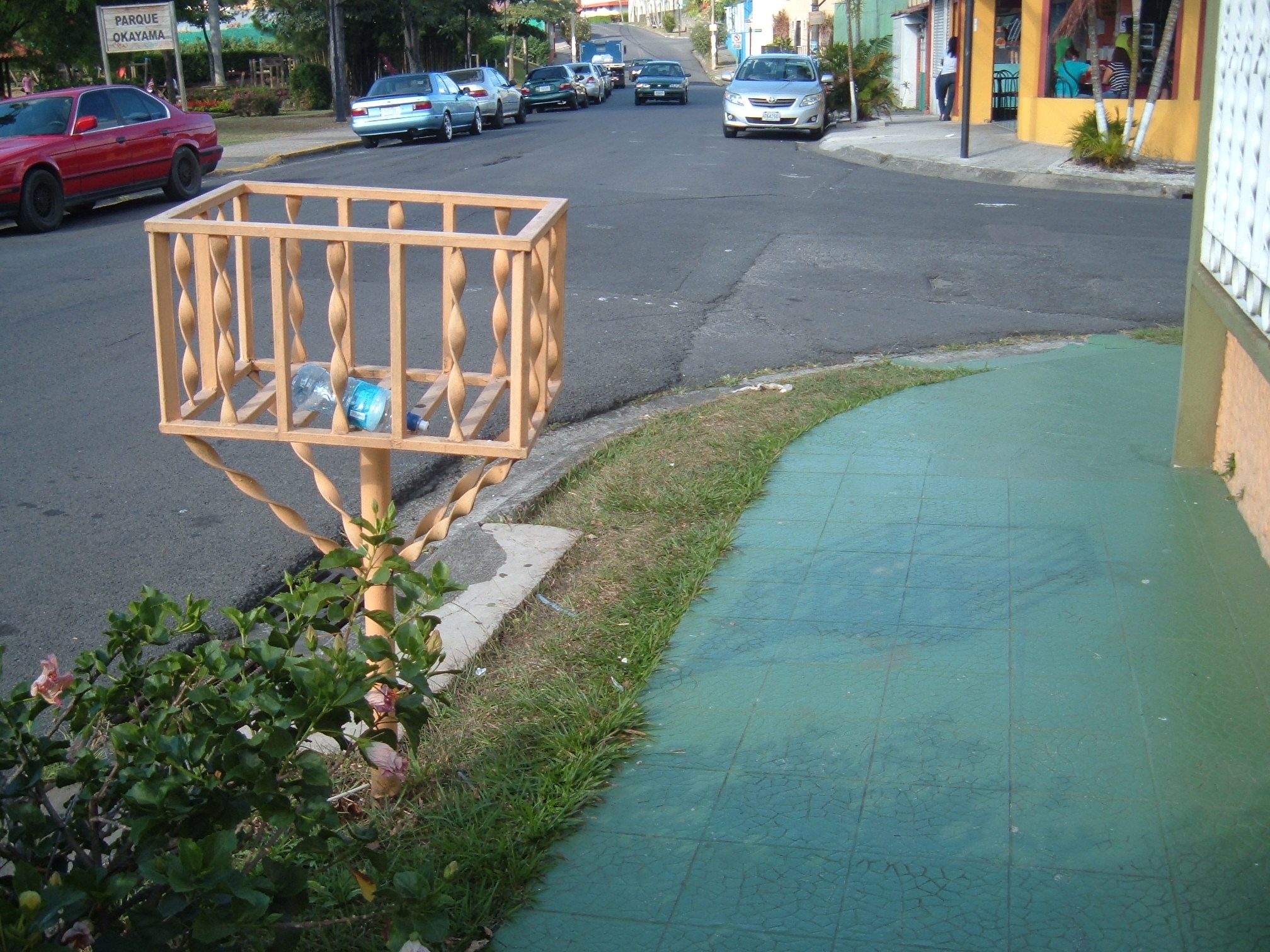
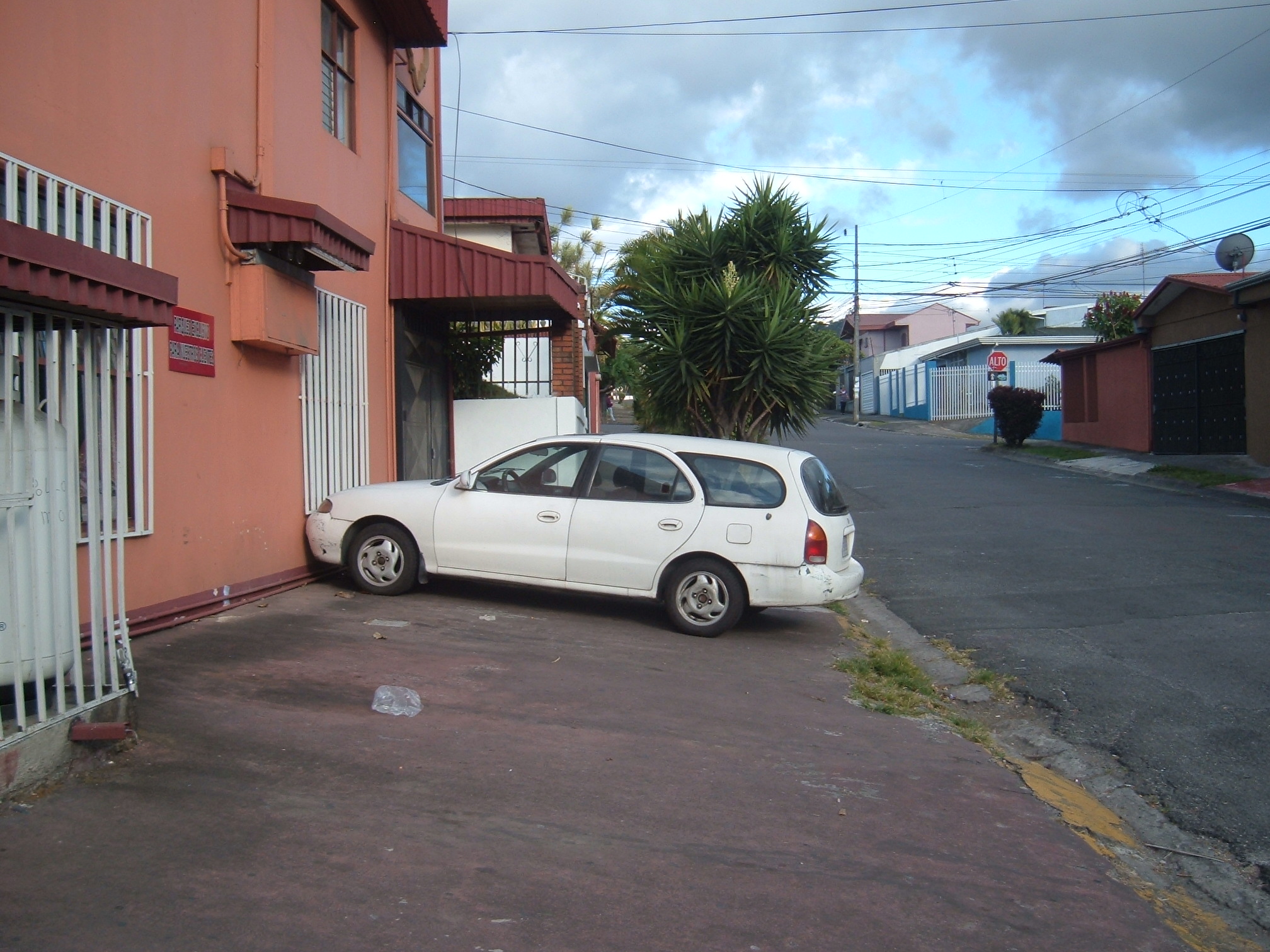
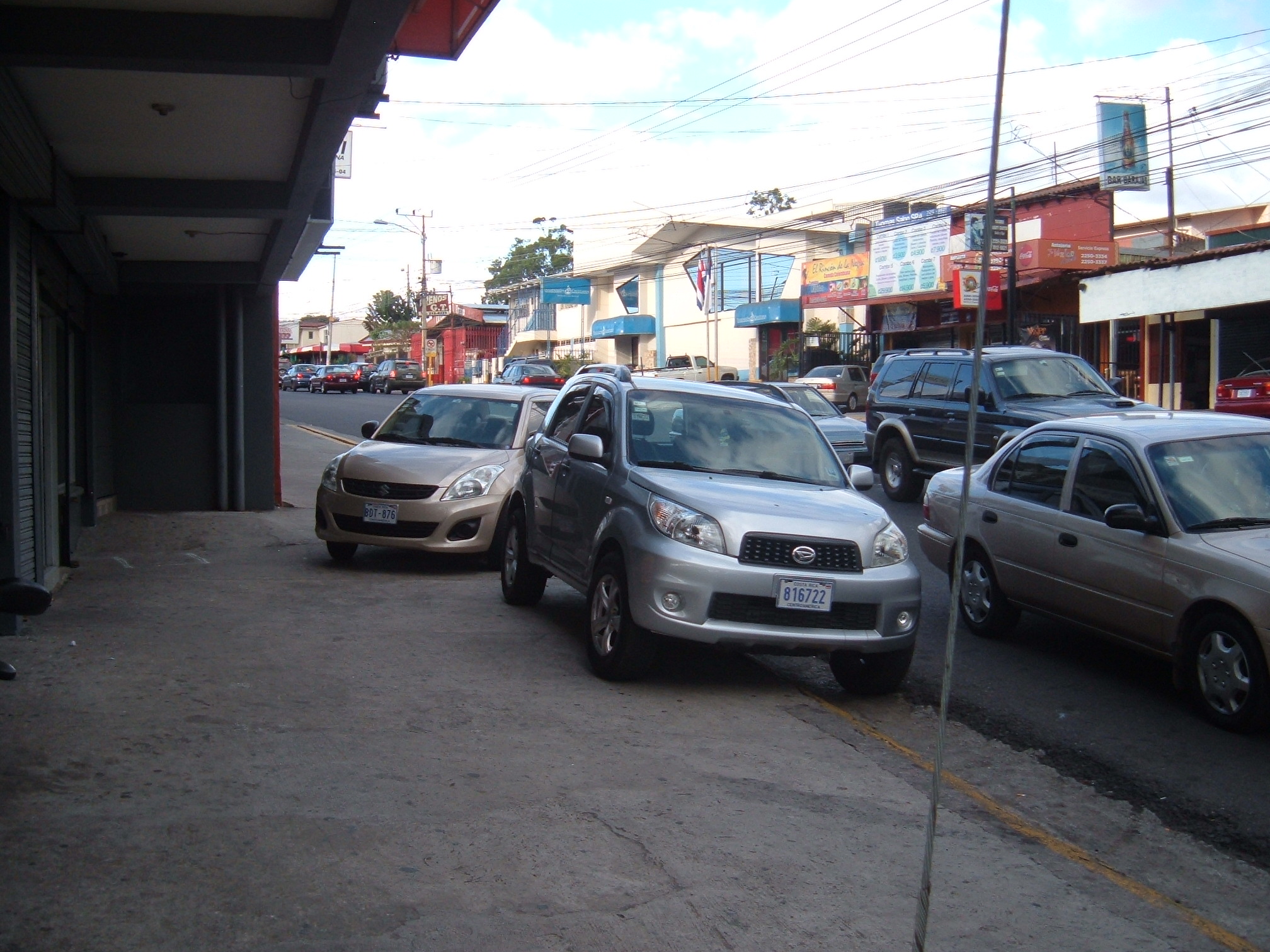
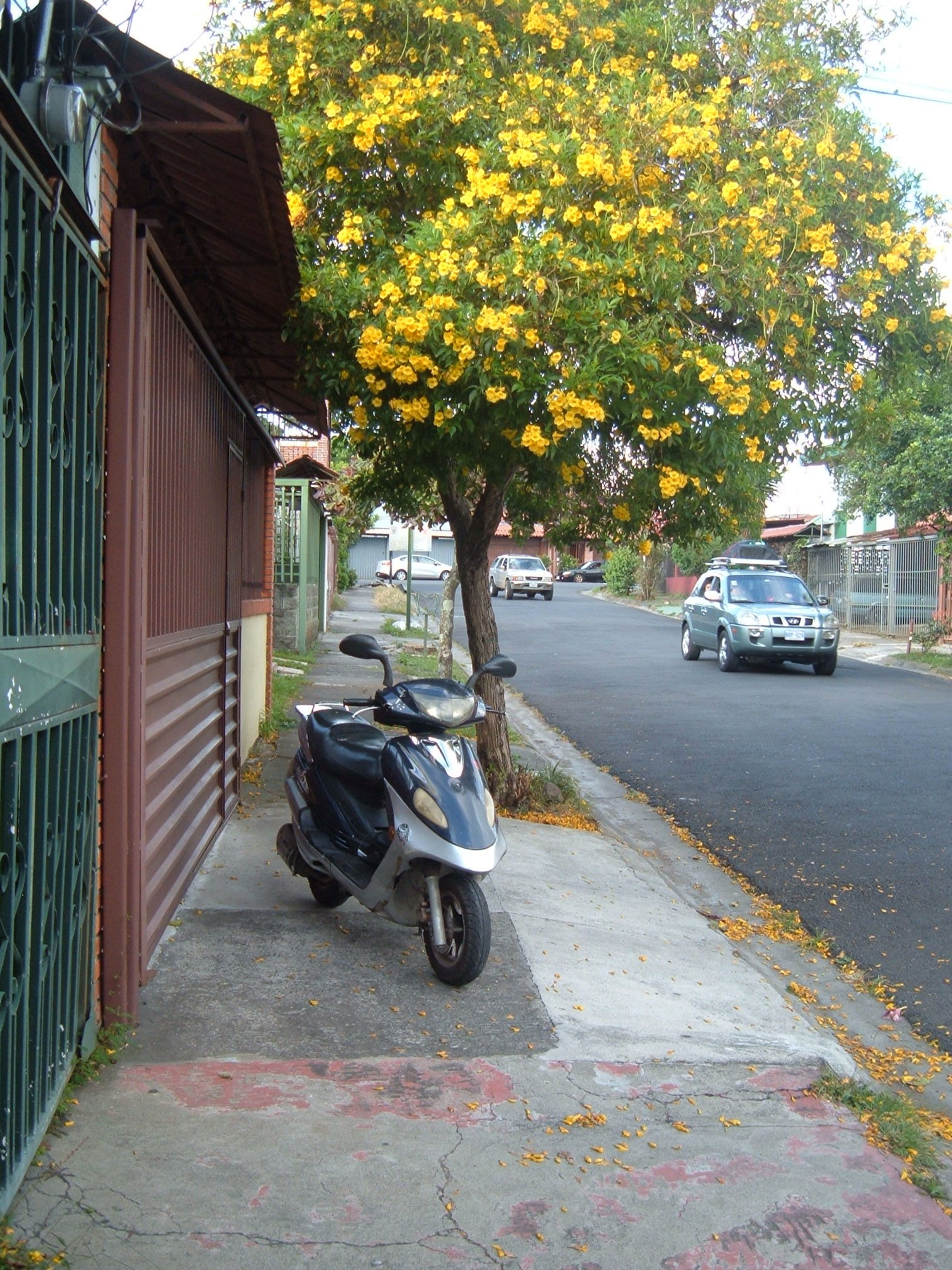
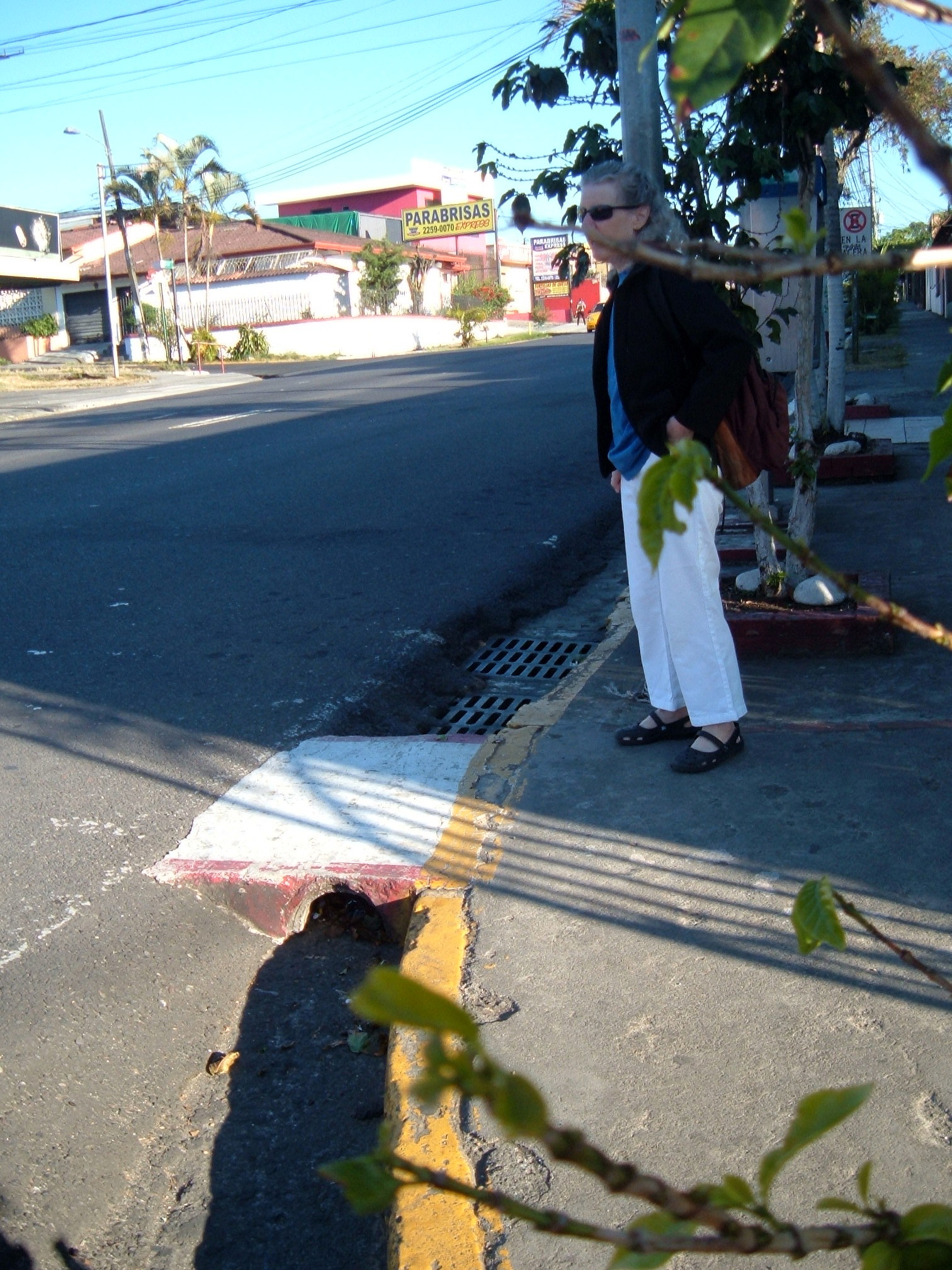
“Aceras” is the Spanish word for sidewalks.  Every day Jody and I walk about a kilometer to school.  It is a pleasant walk, but we have to be careful because the sidewalks have a variety of surfaces and some are in disrepair (we also have to be very careful of traffic, but I’ll leave my comments on that for another day).  It isn’t unusual for a student to twist or break something due to inattention.  Here are some “aceras” on our path to school:

Three nice ones:

ImageImageImage

These six aren’t so nice; watch your step!

ImageImageImageImageImageImage

And sidewalks in San José aren’t just for pedestrians:

ImageImageImage

Sometimes you have to cross a little bridge or the sidewalk just disappears:DSCF5617DSCF5621

Here’s the worst one!  A wrong step here and you probably end up in the hospital:DSCF5623

Posted in Costa Rica | Tagged | Leave a comment

Dirección

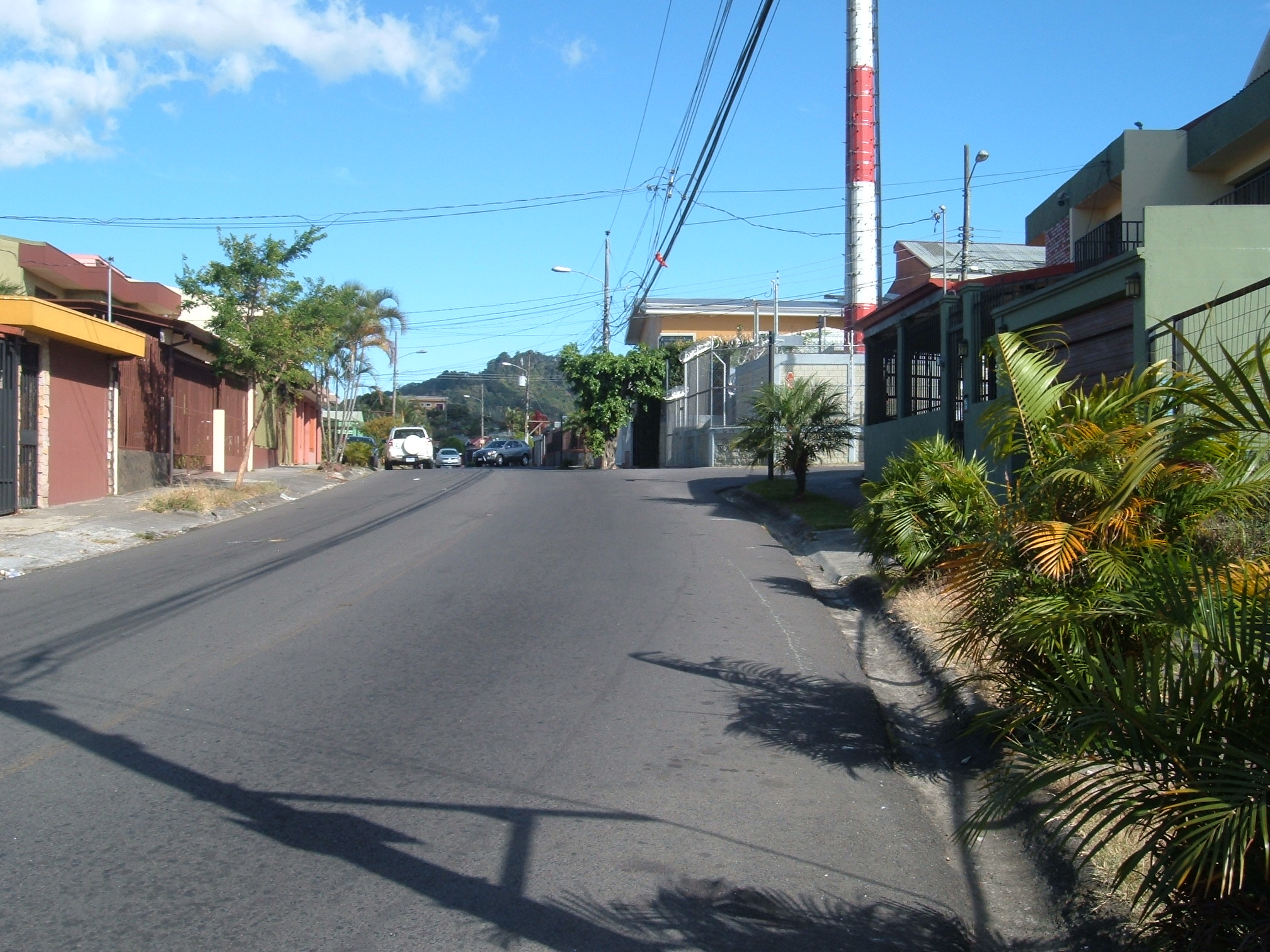
“Dirección” is the Spanish word for both direction and address.  And Costa Ricans (Ticos) have an unusual way of giving directions and addresses (unusual to us but not to them; the city just put up street signs a year ago, so it is part of the culture).  Instead of using street names and house numbers, they start from a landmark and then tell how far to go using the four points of the compass (north, south, east, and west).  And instead of using blocks for distances, they use 100 meters instead of one block.  So, if they want to say “three blocks north” they say “300 meters north.” It may be 150 meters, or 500 meters (block lengths vary greatly), but they always convert blocks into meters, where one block equals one hundred meters.  So here are the directions (and the address) of where we are staying in Costa Rica.  I’ll translate into English for you.  The actual directions are in bold italics, while the rest of it is my commentary:

San Jose (the city), San Francisco of Two Rivers (the burough):  From the Pacific Pharmacy (the landmark), next to Okayama Park.  [In the last two weeks, the pharmacy closed and is now a bakery, so I don’t know how that all works]:

Okayama Park (it was a gift from Japan but everyone calls it “China Park” because Ticos call everything Asian, “Chinese”)Image

This is where the pharmacy was.  It is now a bakery (panadería)

Image

Go 300 meters (3 blocks) to the east.Image

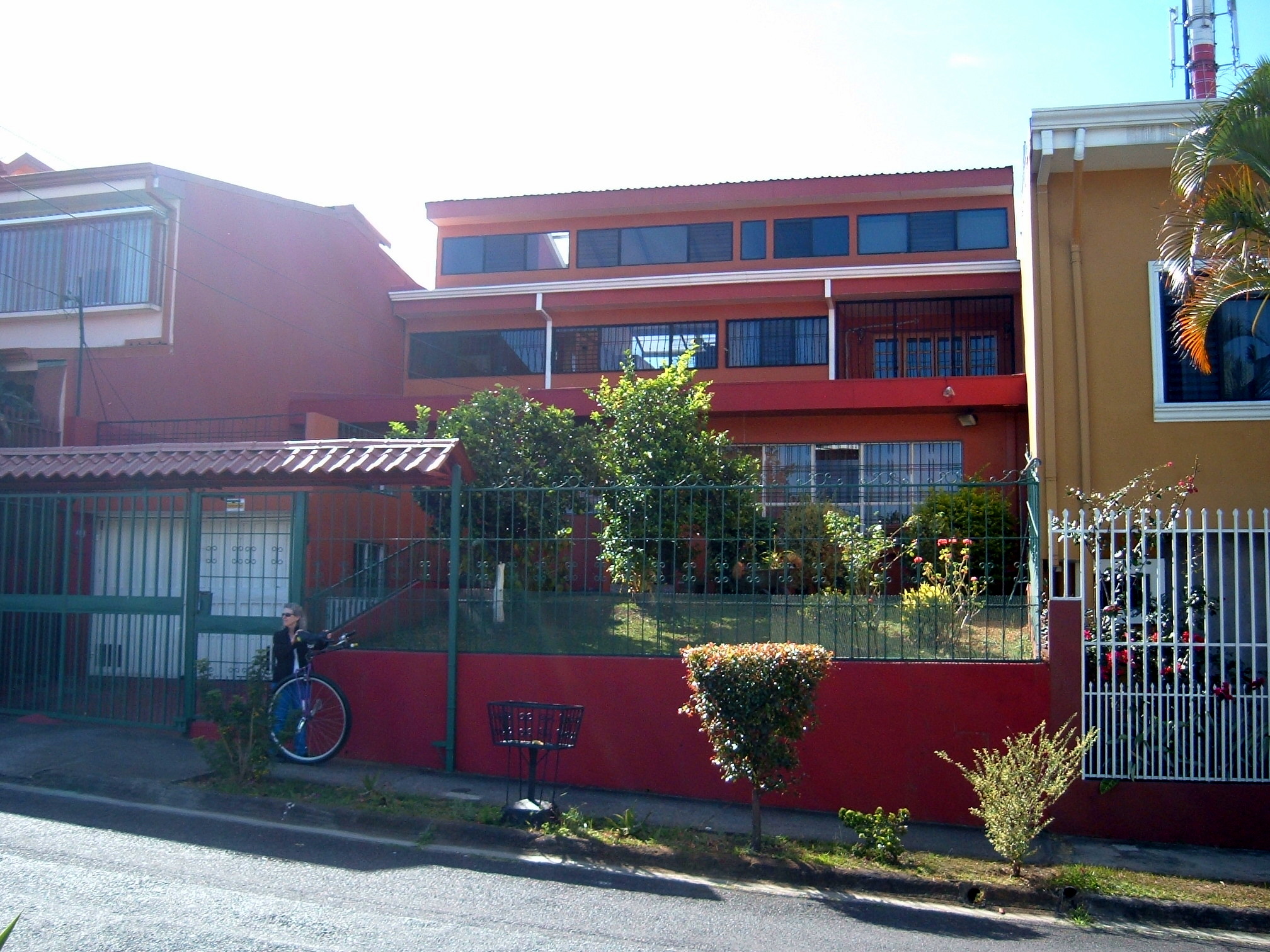
Go 20 meters to the south (i.e. turn right).  House on the right hand side, color orange, with green barred fence, three floors, before the speed bump (the Ticos call a speed bump a “muerto” which means “dead man”).Image

You’re there!DSCF5582A

Posted in Costa Rica | Tagged | 2 Comments

Puertas, Portones, y Paredes

This is our seventh day in Costa Rica, and all is well.  One of the differences we’ve noticed is a preoccupation with physical security.  Businesses and homes have an ever-present air of watchfulness due to guards, walls (paredes), barred windows, doors (puertas), gates (portones), and locks.

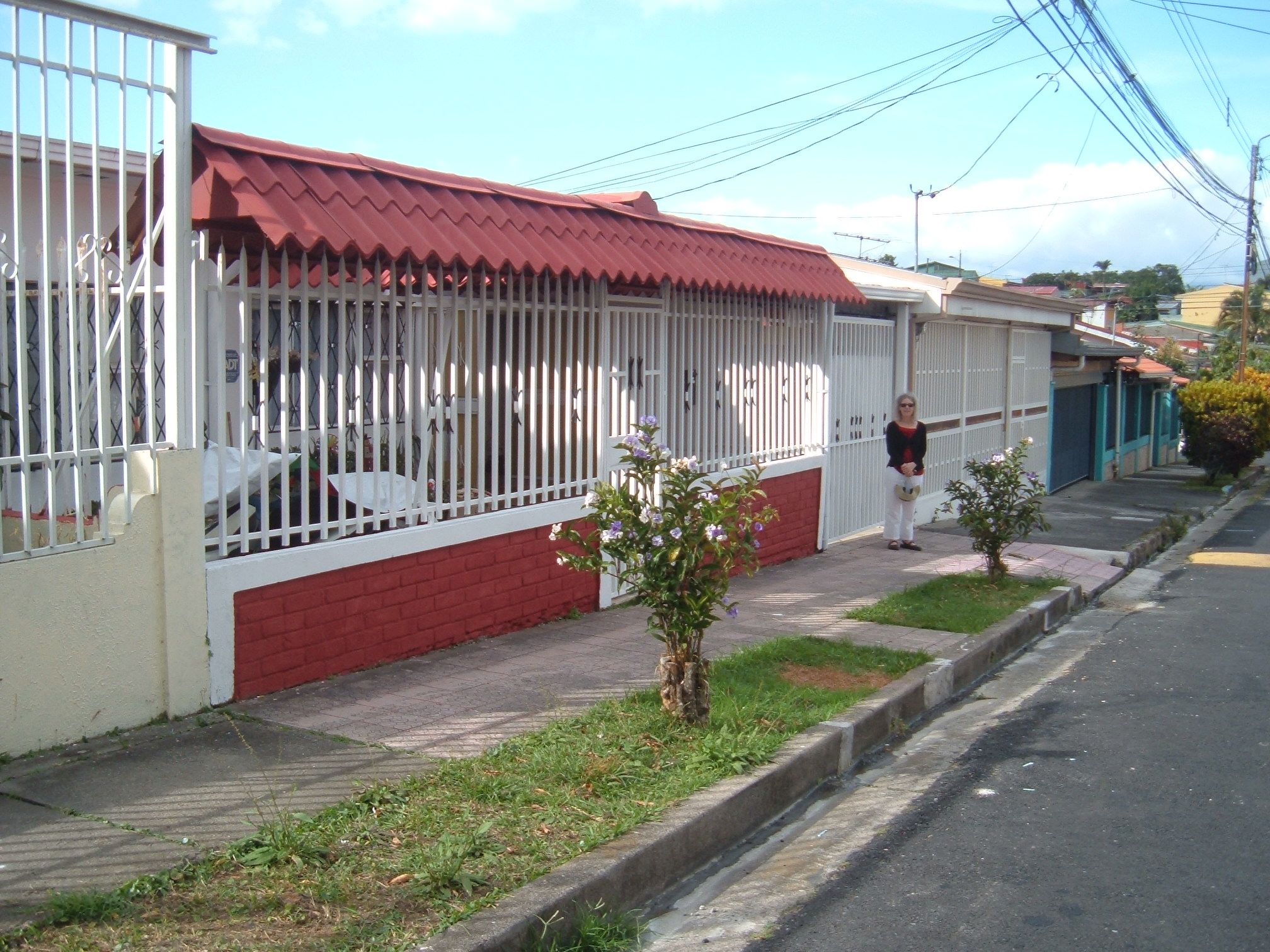
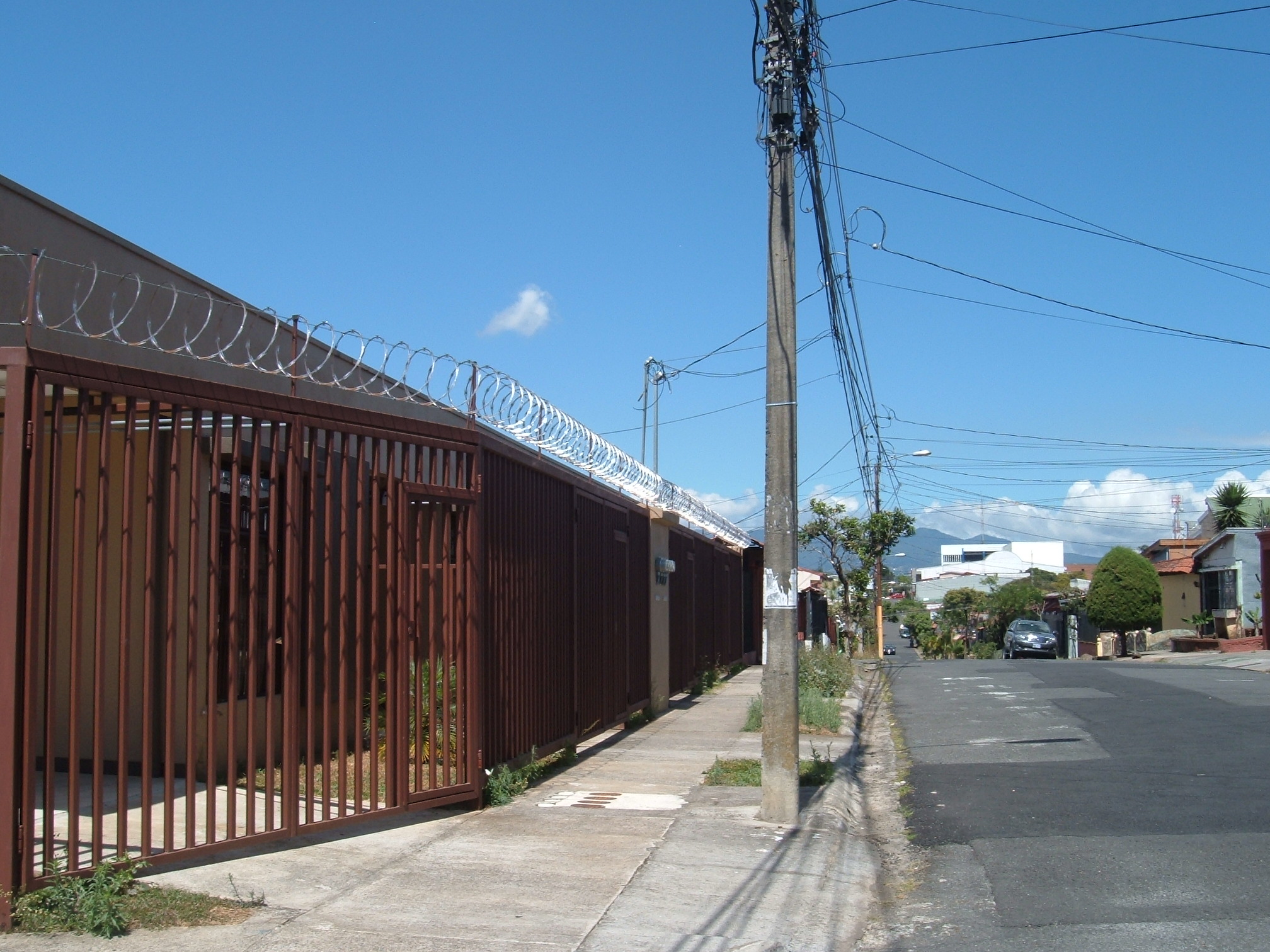
Here is a picture of the facade of a nearby street showing the outside walls and gates.DSCF5575In addition to bars on all windows, many houses also have razor wire on top of the walls.DSCF5626The home where we are staying is a good example.  Even while at home, doors are locked and the alarm system is on (the alarm is triggered if the door opens).  To leave we have to:

  • Deactivate the alarm system so that the door can be opened without setting off the alarm,
  • Unlock the door,
  • Unlock the first gate,
  • Close the door from the inside (so you can set the alarm),
  • Turn the alarm system on,
  • Exit the house and close the door (within 60 seconds),
  • Lock the metal door behind us,
  • Lock the first gate behind us,
  • Open, pass through, and then close the second gate, and
  • Pass through the outside wall by unlocking, going through, and then relocking the third gate.

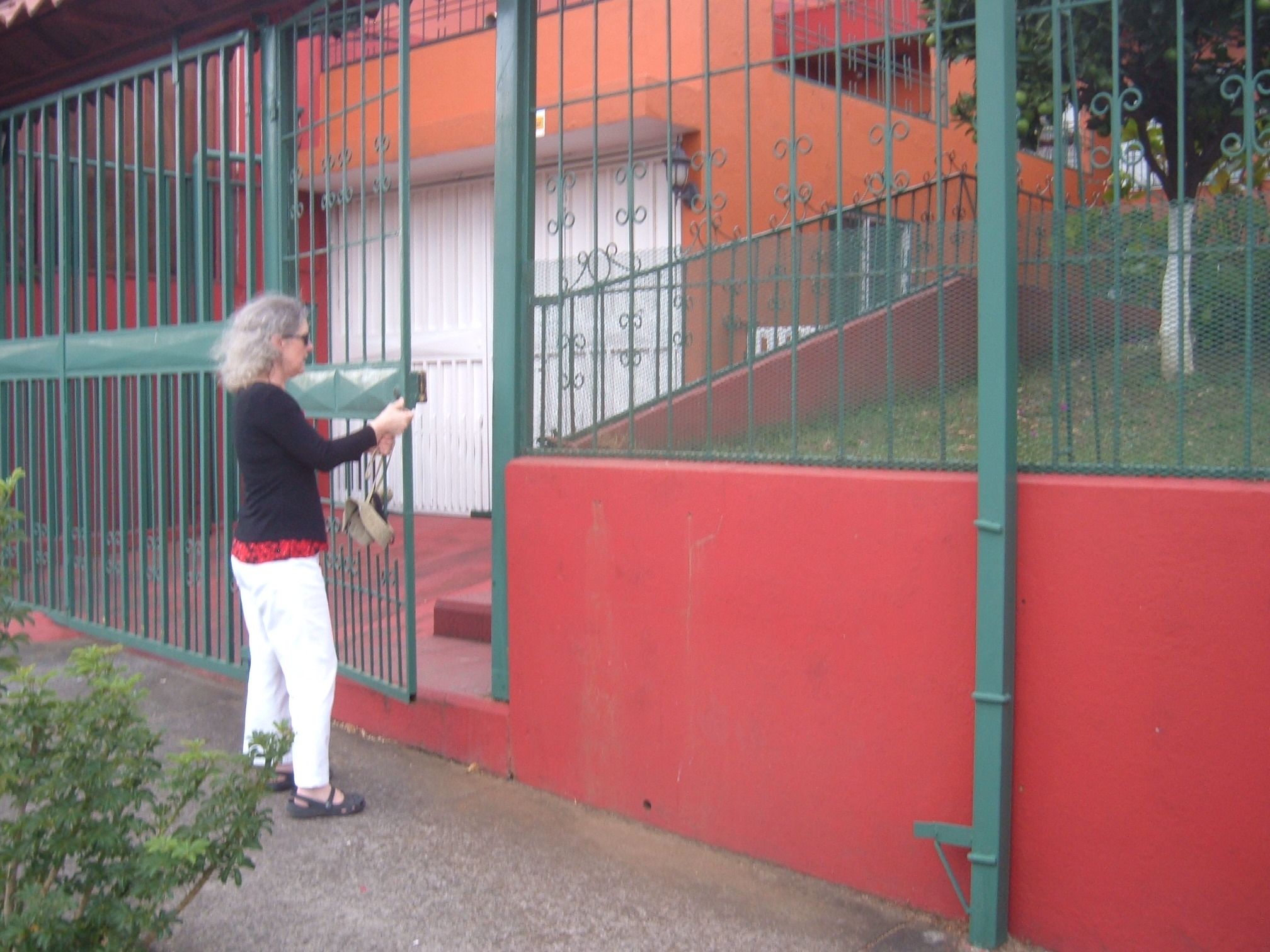
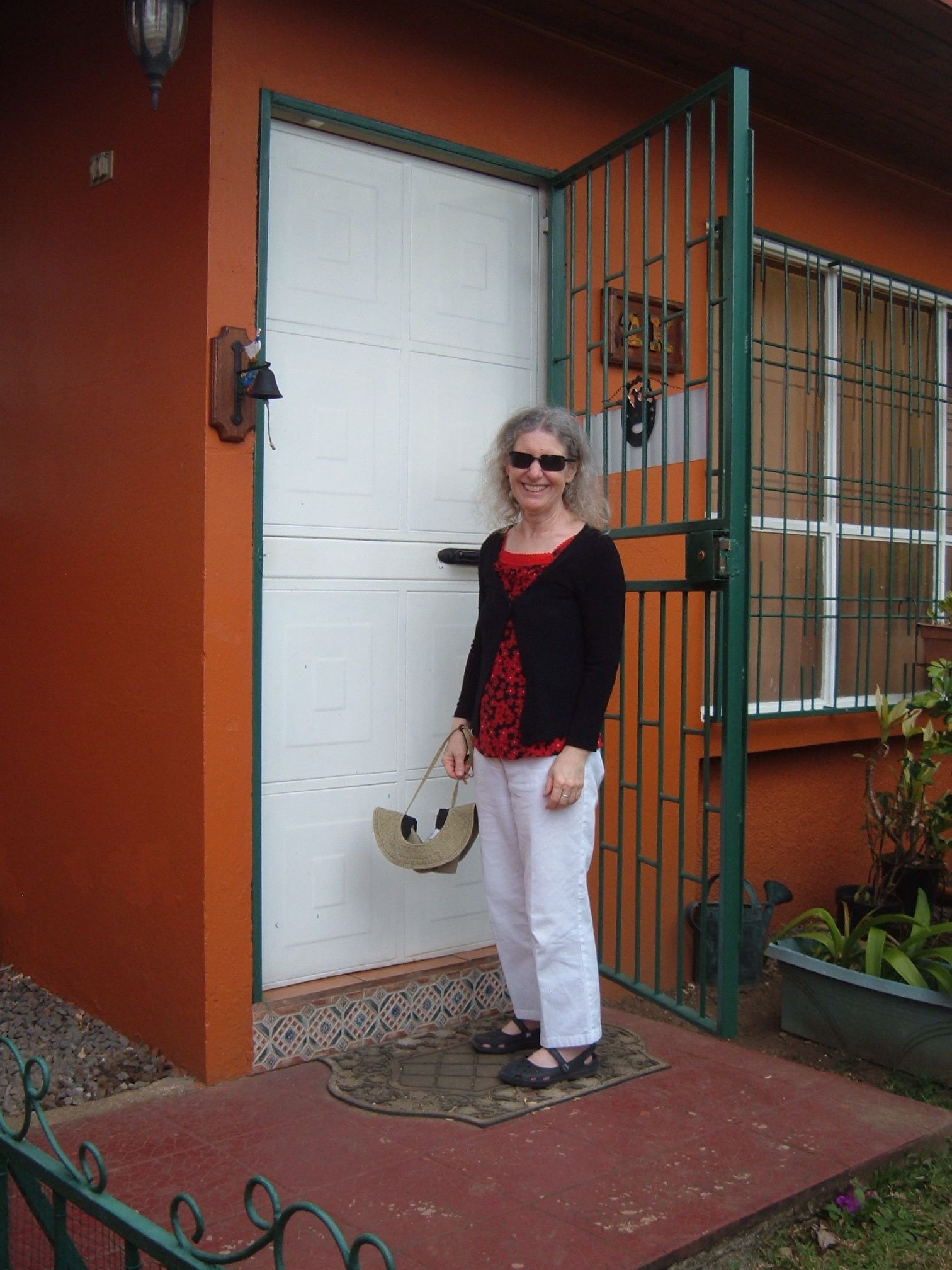
Entering the house requires substantially the same steps in reverse, except that only 30 seconds are allowed after opening the door before the alarm system goes off.  Here are pictures of the outside locked gate and the gate and door to get into the house; note also the bars on the windows in the second photo:DSCF5576

DSCF5577If the alarm goes off, the security company follows a protocol to determine if the alarm is false or real.  If they aren’t satisfied that the alarm is false, they dispatch armed guards to the house.

s

Posted in Costa Rica | Tagged | Leave a comment

Christmas 2013 Newsletter

Here’s our Christmas 2013 newsletter:

Take a look at:

  • Family photos
  • An engagement announcement
  • A recap of our year & what’s coming up
  • Good-bye party details (for those of you close enough to come)

We leave New Year’s Day for Costa Rica & language school.  Thank you for your prayers, encouragement, and donations to HCJB Global on our behalf.

Merry Christmas,
Jody & Scott

Posted in Books & Classes, Missions, Support Raising | Tagged , , | Leave a comment

100%!

After two new pledges today (!), we now have 100% of our minimum required support pledged!  This means HCJB Global will allow us to leave for Costa Rica (language school) on New Year’s Day.

So what’s that second thermometer on the right?

It’s the support HCJB Global recommends we raise so that funds are available for:

  • ministry expenses (e.g., mailing our newsletter)
  • unexpected needs and emergencies
  • unbudgeted expenses (e.g., increased health insurance premiums)
  • a natural decline in supporters over time

We are convinced God will meet all our needs.  Whether He adds more pledged supporters or prompts periodic special donations, He will use His people to cover any gaps in our support.

We are amazed at the support team God has built, and humbled that we are the ones being sent.   Yay God!

Thank you, Lord, and thanks to all of you who are praying for us and giving to HCJB Global on our behalf.

Posted in Support Raising | Tagged | Leave a comment

Fall 2013 Newsletter

Here’s our Fall 2013 newsletter:

We’ve been busy–here are some highlights:

  • Departure Date: January 1, 2014 (How’s that for a great way to start a new year?)
  • We’re official! (Our first three-year term started September 23.)
  • MTI (Our four weeks of training were powerful and helpful.)

What’s next for us?

  • Spanish classes at Lane Community College
  • Selling our Springfield house

We’re working (again) on our Springfield house: tearing out carpets and the 60 year old linoleum underneath, refinishing floors, and painting.  We also have leaves to rake and windows to wash.  We hope to get it back on the market before Thanksgiving.

For our Lane County friends, here’s your chance to help send two missionaries to the field.  We have many tasks–small and large–and we’d appreciate help:

  • Saturday, November 16, 8-5
  • Saturday, November 23, 8-5
  • 706 Fifth Street, Springfield

Do you only have an hour or two?  That’s fine, anything helps.  Just call 541-359-7633 ahead of time so we can plan.

Thank you,

Jody & Scott

Posted in Books & Classes, Missions, Support Raising | Tagged , | Leave a comment

MTI Group Photo

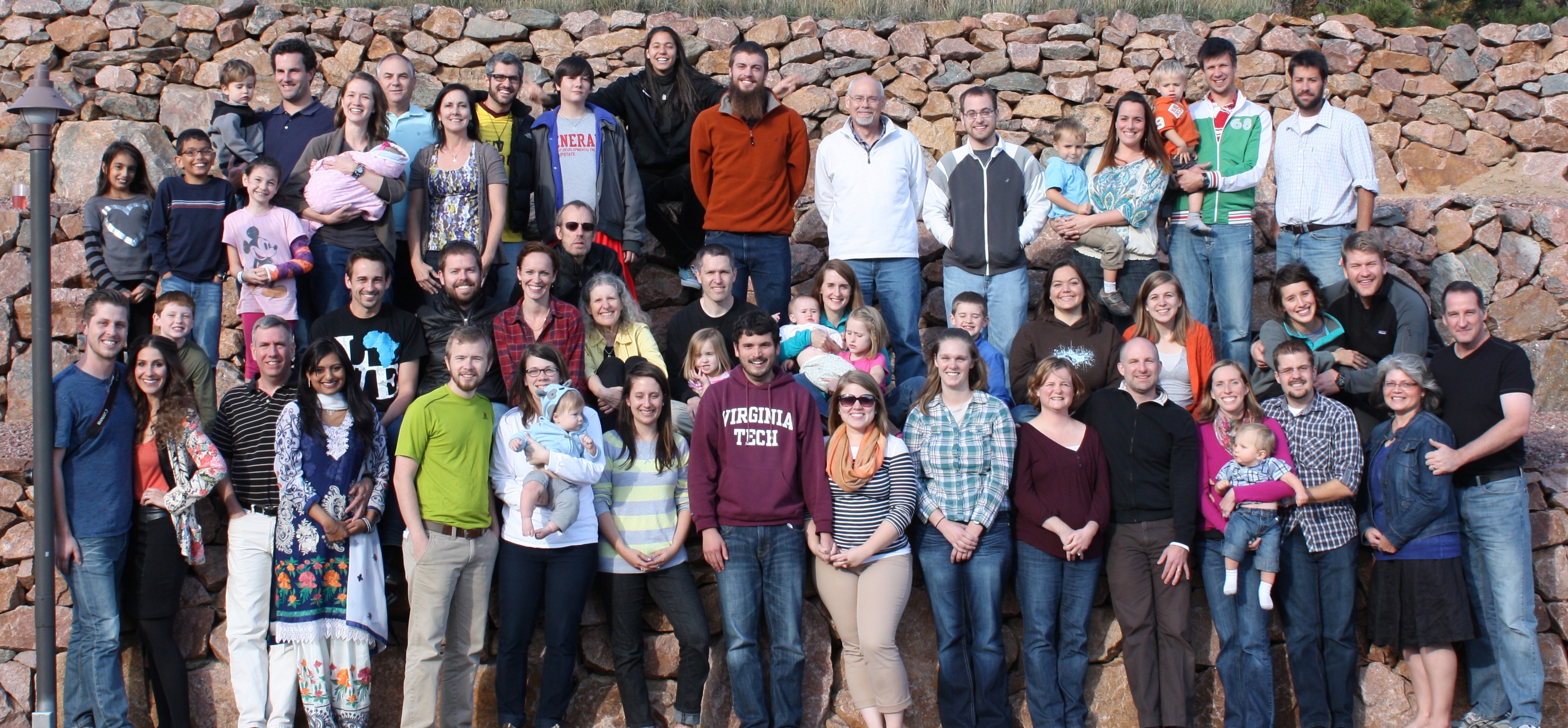
Here we are: 39 adults (14 couples and 11 singles) and 15 kids.  It’s almost time to all go our separate ways.  (Click on the photo to see a larger version.)

MTI Group photo

Posted in Missions | Tagged | Leave a comment