A riddle. Un acertijo.

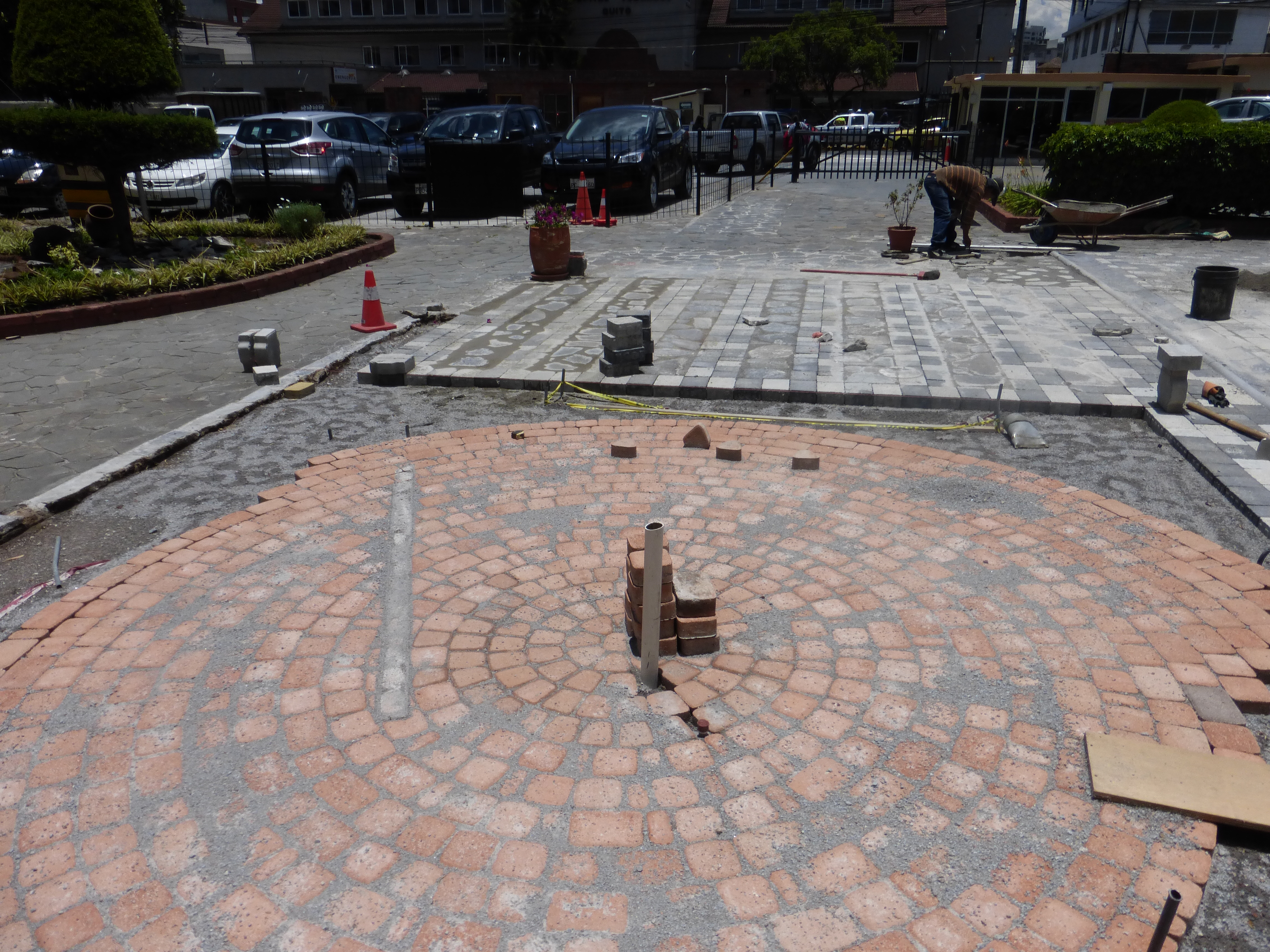
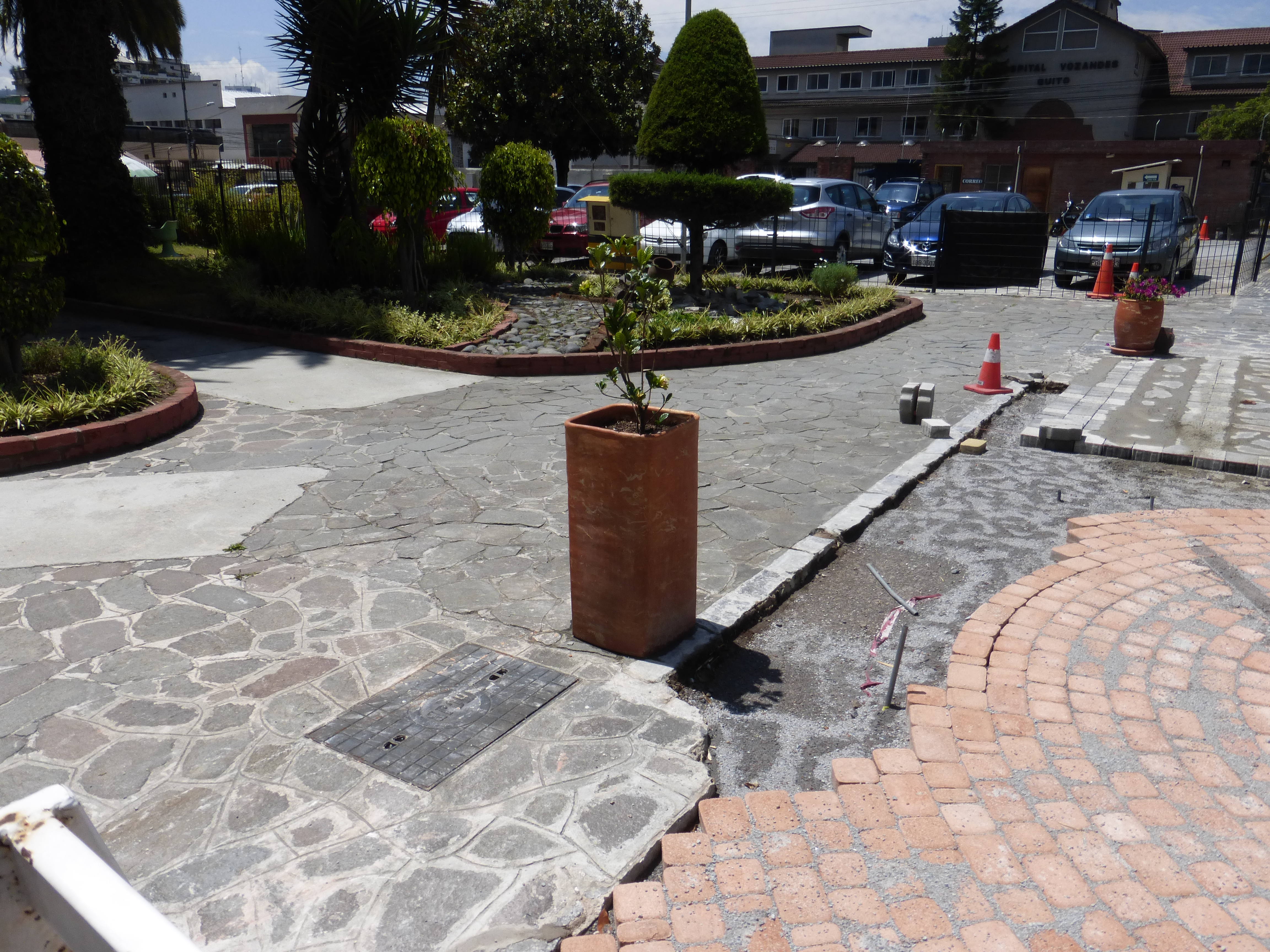
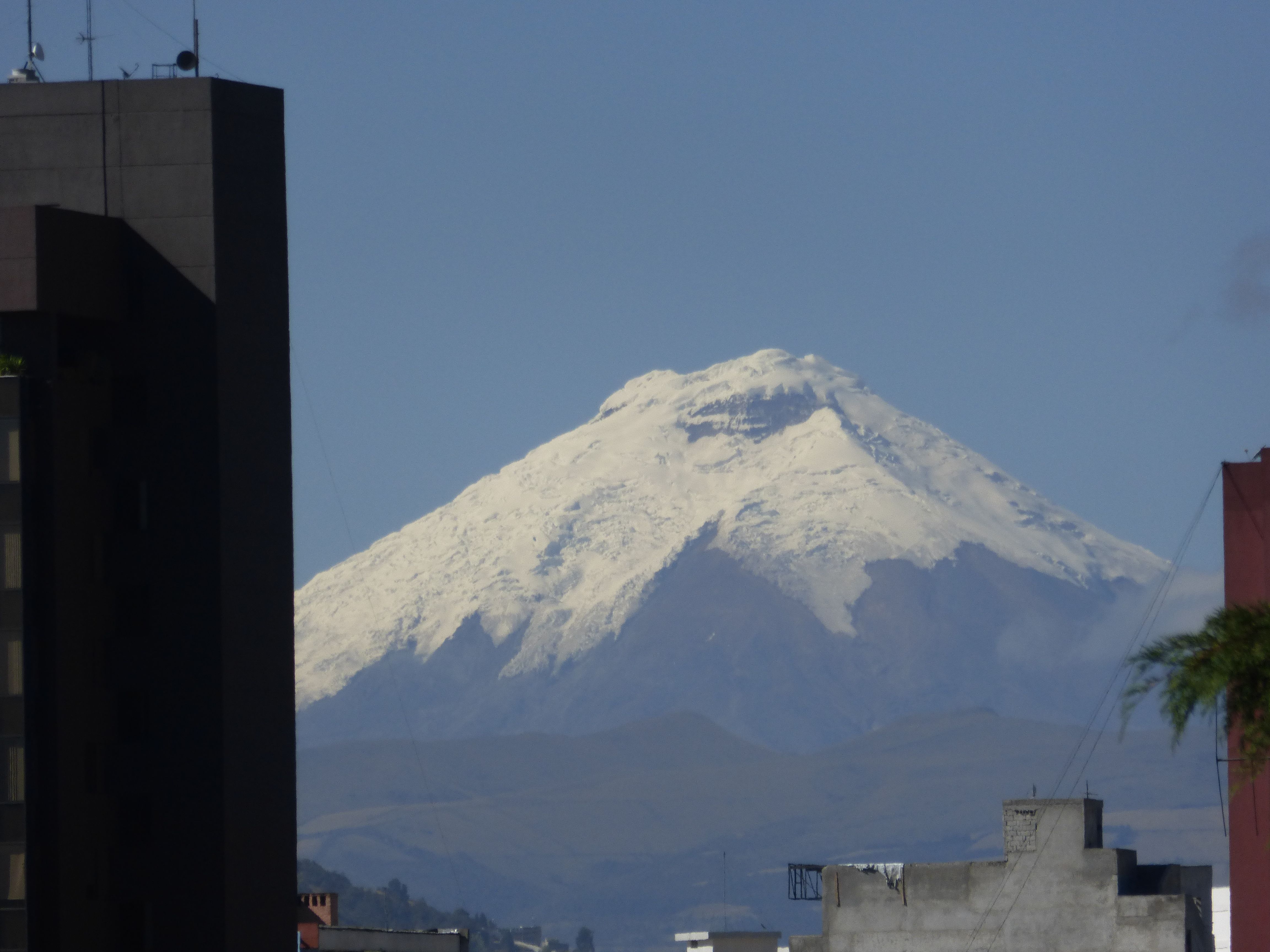
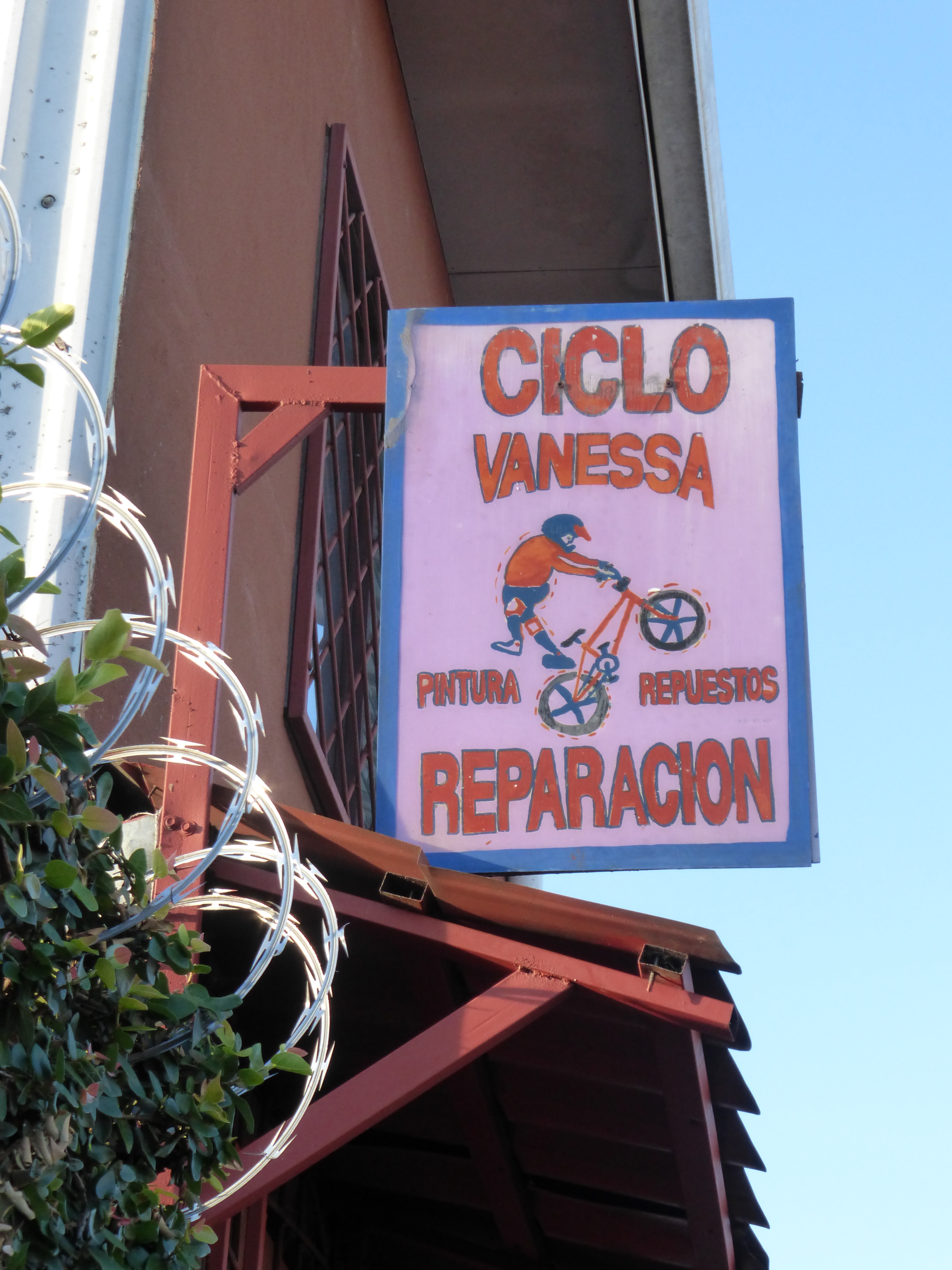
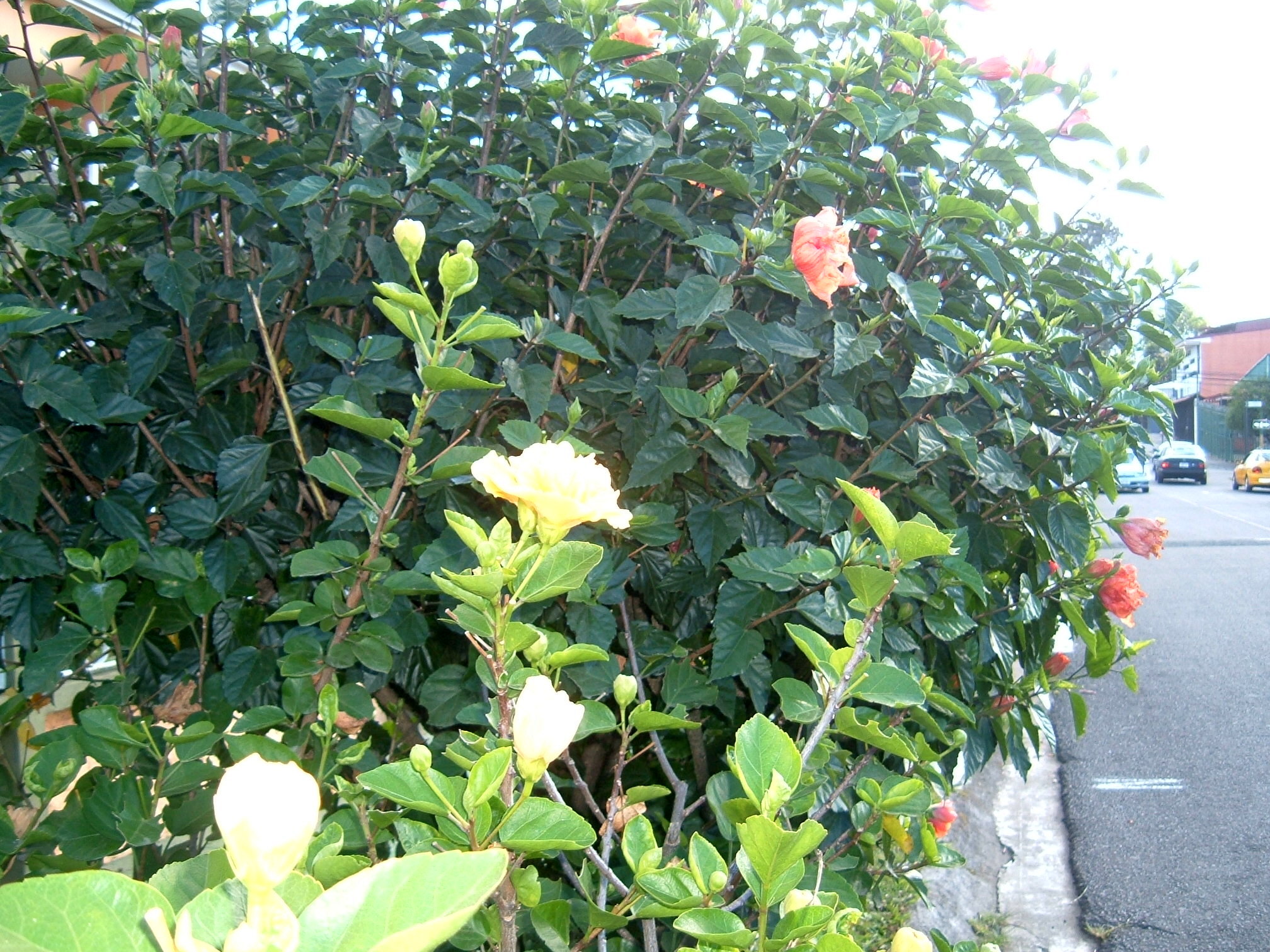
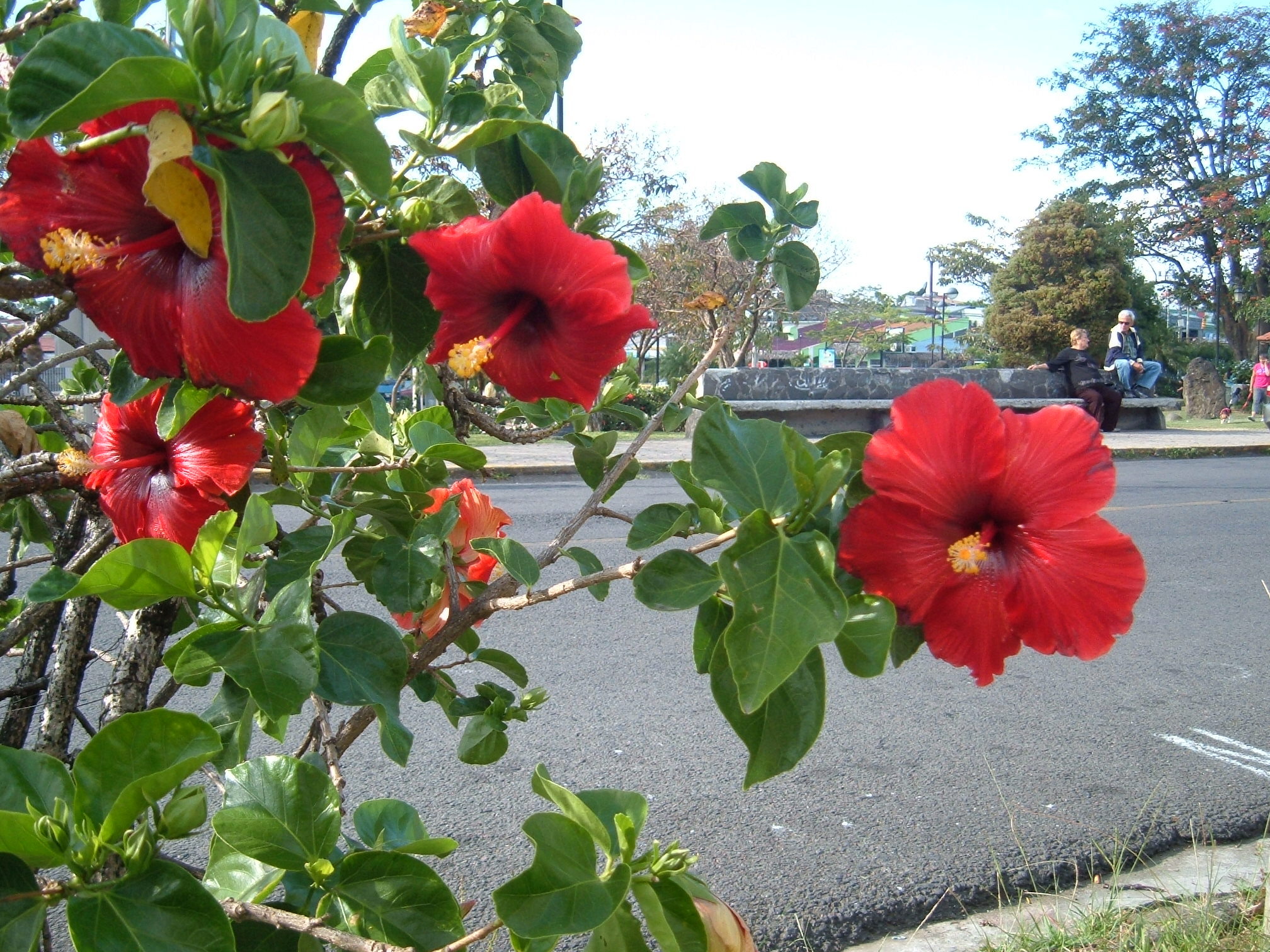
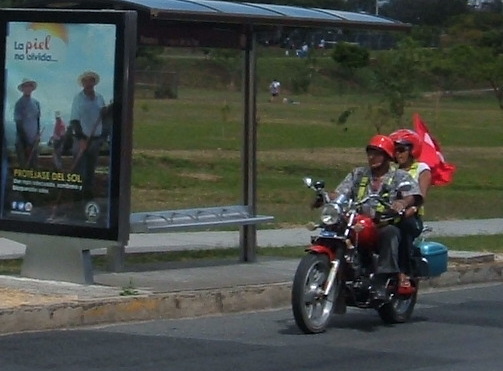
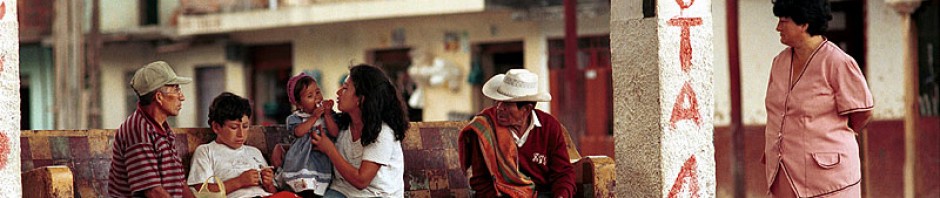
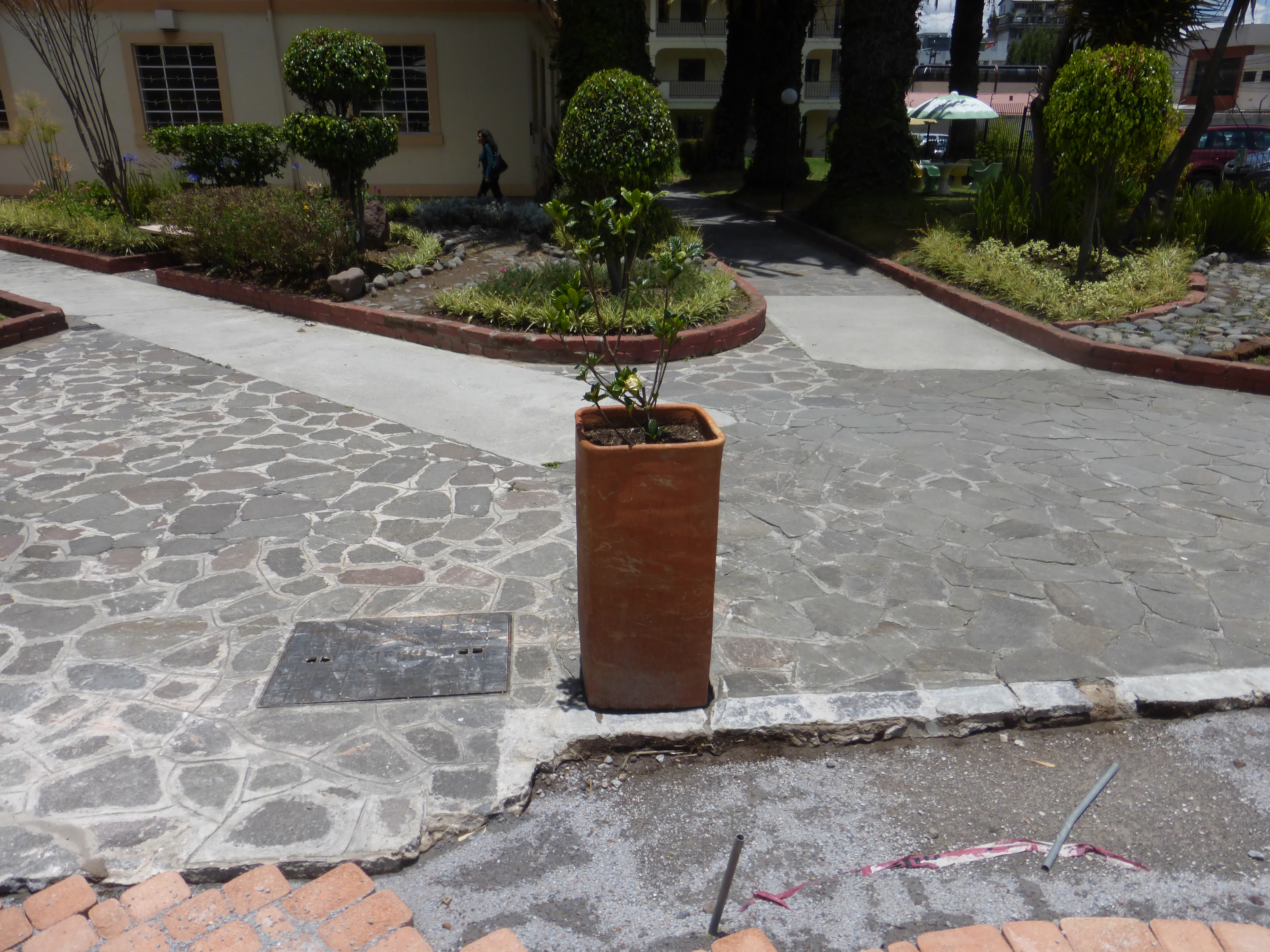
Here are four pictures I (Scott) took last month.  Can you figure out what is so unusual? Saqué (Scott) estas cuatro fotos el mes pasado.  ¿Puede averiguar por qué ellas son inusuales?

equinox 1A        equinox 1Cequinox 1D

equinox 1B

Having trouble?  I’ll give you some hints.  ¿Es demasiado difícil?  Le daré algunas pistas:

Clue #1:  The pictures are taken in bright sunshine.  Pista número uno:  el sol es muy brillante.

Clue #2:  It is the 23rd of September.  Pista número dos la fecha es el 23 de septiembre.

Clue #3:  It is 12:00 noon.  Pista número tres:  es el mediodía.

Clue #4:  Quito is almost exactly on the equator.  Pista número cuatro:  la ciudad de Quito está ubicado casi sobre la línea ecuatorial.

Still stumped ?  Then compare the pictures above with the pictures below that were taken earlier in the day.  ¿Está todavía perplejo?  Entonces compare las fotos arriba con las fotos siguientes:

equinox 2Cequinox 2A

equinox 2BThe answer to the riddle:  the vertical objects in the pictures (chair, planter, pole) have no shadows, or only shadows directly underneath.  La respuesta al acertijo:  los objetos verticales (la silla, la maceta, la pértiga) no tienen sombras, o solamente sombras directamente por debajo.

At noon, on the equator, on the equinox (when the sun is shining) is the only time and only place that objects don’t cast a shadow!  ¡El mediodía, en la línea ecuatorial, en el equinoccio (cuando brilla el sol) es el único lugar y la única hora que objectos no arrojan una sombra!

Do you want to see a fun series of pictures of the shadow of a 40 meter radio tower on the equinox?  Check it out at https://www.facebook.com/george.mccombe/timeline/story?ut=43&wstart=0&wend=1412146799&hash=7915662875034437896&pagefilter=3

For one final item of interest, see if you recognize the person in the 9th photo of the series.

¿Quisiera ver un serie de fotos de la sombra de un torre de radio de 40 metros en el equinoccio?  Vea y compruébelo en este sitio:  https://www.facebook.com/george.mccombe/timeline/story?ut=43&wstart=0&wend=1412146799&hash=7915662875034437896&pagefilter=3. 

Para otra cosa de interés:  ¿puede reconocer el hombre en la noventa foto de la serie?

Posted in Quito | Tagged | Leave a comment

Summer 2014 – Verano 2014

Yes, we know it’s not summer anymore, but we want to catch up with some of our summer events.  Sí, sabemos no es verano, pero queremos contar nuestras noticias.

First, we’re not in Costa Rica at language school any longer; we moved to Quito, Ecuador August 15, the day after graduation.  Primero, no estamos en Costa Rica en el Instituto de Lengua Española; el 14 de agosto nos graduamos y el próximo día volamos a Quito, Ecuador.

In graduation we were the only students heading for Ecuador, so we got to carry the Ecuadorean flag in the procession.  Porque éramos los únicos estudiantes que íbamos a ir a Ecuador, pudimos llevar la bandera de Ecuador durante la ceremonio.

This slideshow requires JavaScript.

Our first ten days in Quito we stayed in a temporary apartment, very sunny and roomy.  After almost two years of living with others, we really enjoyed the space and the privacy.  Nuestros primeros diez días en Quito vivimos en un apartamento temporal con mucho sol y espacio.  Después de casi dos años viviendo con otras personas, nos gustaron mucho la privacidad y el espacio.

This slideshow requires JavaScript.

While there, we saw for the first time Cotopaxi (elevation 19,347′), one of three snow-topped volcanoes visible from Quito.  Durante este tiempo pudimos ver la primera vez la montaña Cotopaxi (elevación 5.897 m), uno de los tres volcanes con nieve visible desde Quito.  

P1000527

August 26 we moved to our home until the end of the year.  We are housesitting for missionaries  who are on Home Ministry Assignment (HMA–a new term for furlough) in the United States.  Our apartment is in the top of a house and our landlords live below us.  El 26 de agosto nos mudamos a la casa que será nuestro hogar hasta el fin de año. Ahora vivimos en la casa de misioneros que están en los Estados Unidos por cuatro meses. Vivimos en el segundo piso y los propietarios viven el el primer piso.

This slideshow requires JavaScript.

September 5 we flew to the U.S. for two weeks for the wedding of our daughter Hope.  The wedding was small (19 guests) and very special.  El cinco de septiembre volamos a los Estados Unidos para la boda de nuestra hija Hope (Esperanza).  La boda fue pequeño (19 personas) y muy especial.

This slideshow requires JavaScript.

The reception was six days later and about 120 people attended.  Hope &  Max performed a muppet show with professionally-made muppets, telling the story of their courtship.  It was delightfully creative.  Seis días después tuvimos una recepción más grande, con aproximadamente 120 personas.  Hope & Max hicieron una obra de marionetas en la que contaron la historia de su noviazgo.  Era muy creativa.

This slideshow requires JavaScript.

The dress for the reception was vintage; here are some photos of our fancy clothes.  (Scott is dressed as Sherlock Holmes, with a deerstalker hat Hope brought him from London several years ago.)  Para la recepción usamos vestidos antiguos; aquí están las fotos de los vestidos.  (Scott llevó puesto como Sherlock Holmes, con un sombrero que Hope le trajo de Lóndres hace varios años.)

This slideshow requires JavaScript.

We returned to Quito September 21, visiting with two groups of friends in Los Angeles on the way.  Regresamos a Quito el 21 de septiembre.  Visitamos con dos grupos de amigos  durante una parada temporal en Los Ángeles.

This slideshow requires JavaScript.

We are happy to finally be here, learning about this beautiful country and culture and our organization, Reach Beyond.  Jody is being tutored in Spanish and working part-time; Scott is working full-time.  We’re starting to look for our next apartment (or house).  Estamos contentos de estar aquí, aprendiendo de este bonito país, la cultura, y nuestra organización, Reach Beyond (coeamo “Más Allá”).  Jody está recibiendo instrucción individual en español y está trabajando como secretaria medio tiempo.  Scott está trabajando a tiempo completo.  Empezando a buscar el próximo apartamento.

During our last months in Costa Rica, we experienced World Cup hysteria, took a visa renewal trip to Panama, and experienced the medical system first-hand when Scott broke his foot badly.  Jody had a language route in the community and got to join a quilting group.  We hope to share more photos in another blog for those of you who aren’t Facebook friends of Jody.  Durante los meses finales en Costa Rica, tuvimos la experiencia de la Copa Mundial, fuimos a Panamá para renovar nuestra visa, y aprendimos mucho del sistema médico cuando Scott se quebró un hueso en su pie.  Jody tuvo una ruta de lenguaje en la comunidad y pudo unirse con un grupo de quilting.  Esperamos compartir más fotos con ustedes quienes no son amigos de Jody en Facebook.

Thank you for your prayers, encouragement, and support.  We are very honored to serve here.  Muchas gracias por sus oraciones, su apoyo, y su ayuda.  Es un gran honor servir aquí.

Posted in Costa Rica, Ecuador, En Español, Family, Quilting, Quito | Tagged , , , , , , | Leave a comment

Ciclo Vanessa

San Francisco de Dos Ríos, Costa Rica


A “ciclo” in Costa Rica is a bike shop.  The proprietor is Edwin Madrigal and Scott spent a lot of time there the last six months practicing his conversational Spanish.


Irene, Edwin, and Alejandra


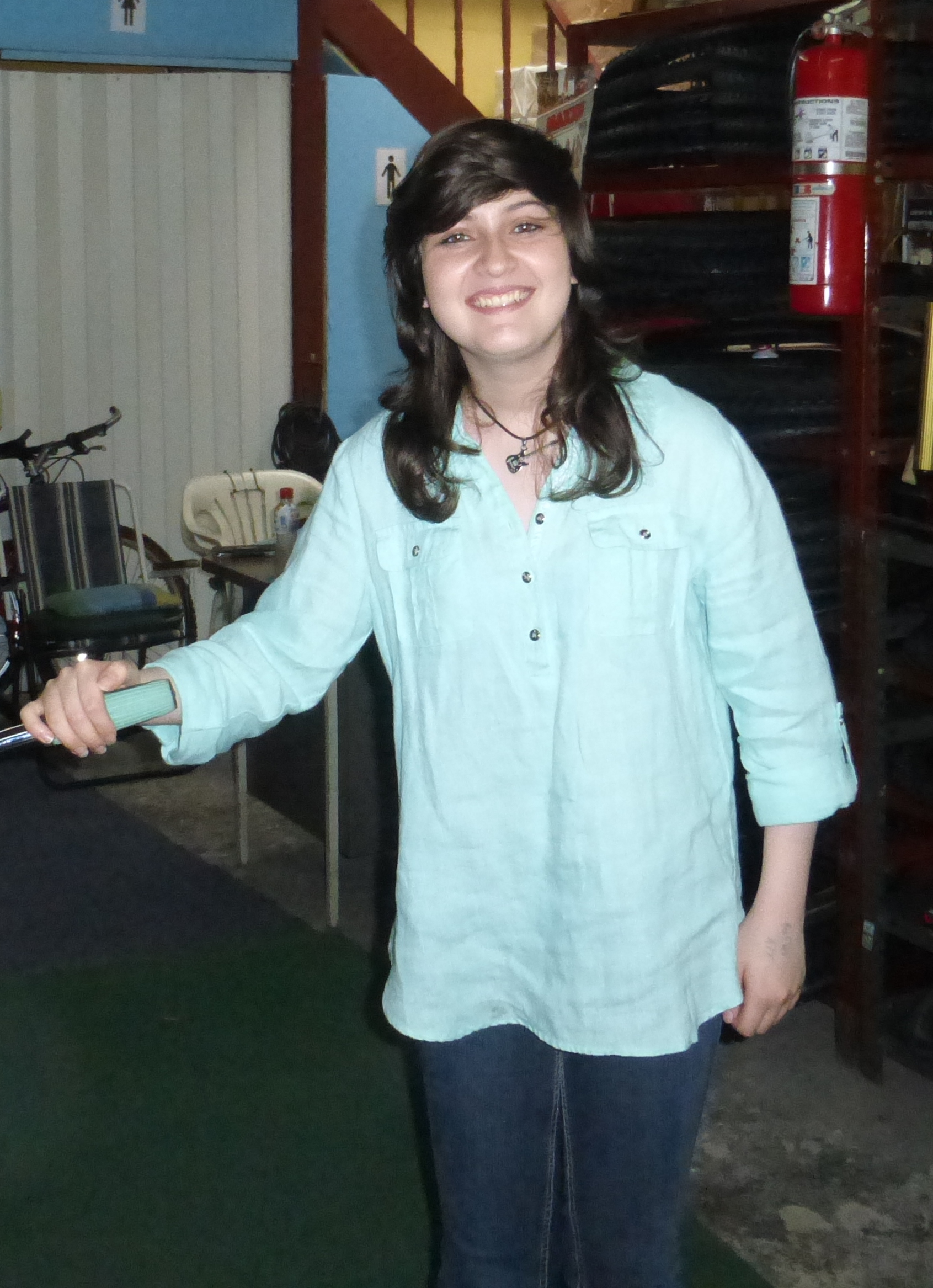
This is Edwin with his sisters Irene and Alejandra:


A good perspective on the ciclo

This is a good view of the inside of the ciclo:


Here is a view of the ciclo’s remodeled bathroom:
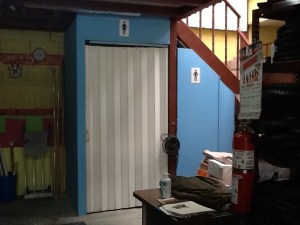
Dos Baños - Ciclo VanessaSan José city ordinances mandated that the ciclo’s bathroom be handicapped accessible, even though his customers don’t actually use the bathroom.  Before the expansion and modification, the ciclo had a tiny toilet below the stairs (behind the small door on the right with the “men’s”symbol).  When Edwin remodeled the bathroom, he rotated the toilet, moved it to the left, added a sink, and installed the door on the left (with the “ladies” symbol).  He left the door on the right because it would have been extra work and extra cost to remove it.  If you open the door on the right all you see is the toilet (from the side).  Scott thought it would be humorous to put “ladies”and “men’s” symbols on the doors.  Then, if a male customer ever used the “facilities,” it would be fun to watch their reaction when they opened the door and tried to figure out what was going on!

Here is Susan, Edwin’s 14 year old daughter, and her uncle “Cucho” (Jorge) moving the bikes from the display area to the back of the ciclo:Closing the ciclo at 5:00 Because the ciclo is Edwin’s sister Irene’s garage, every night at 5:00 the bikes are wheeled to the back and the display counters are rolled to the side so that Irene can park her car in her garage.  If you look carefully to the left of the televisions and on top of the shelves with the tires you can see some of Edwin’s cycling trophies from his years racing as an amateur cyclist.

Edwin had fun showing Scott some of his training routes and Scott enjoyed the exercise and getting to explore some of the beautiful Costa Rica countryside.  Here is Edwin at 6:00 a.m. one Sunday morning before leaving on a ride with Scott:
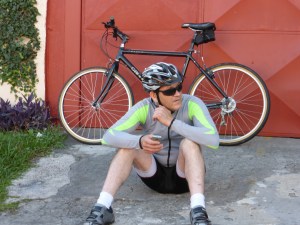
Edwin Madrigal 2014


P1000164


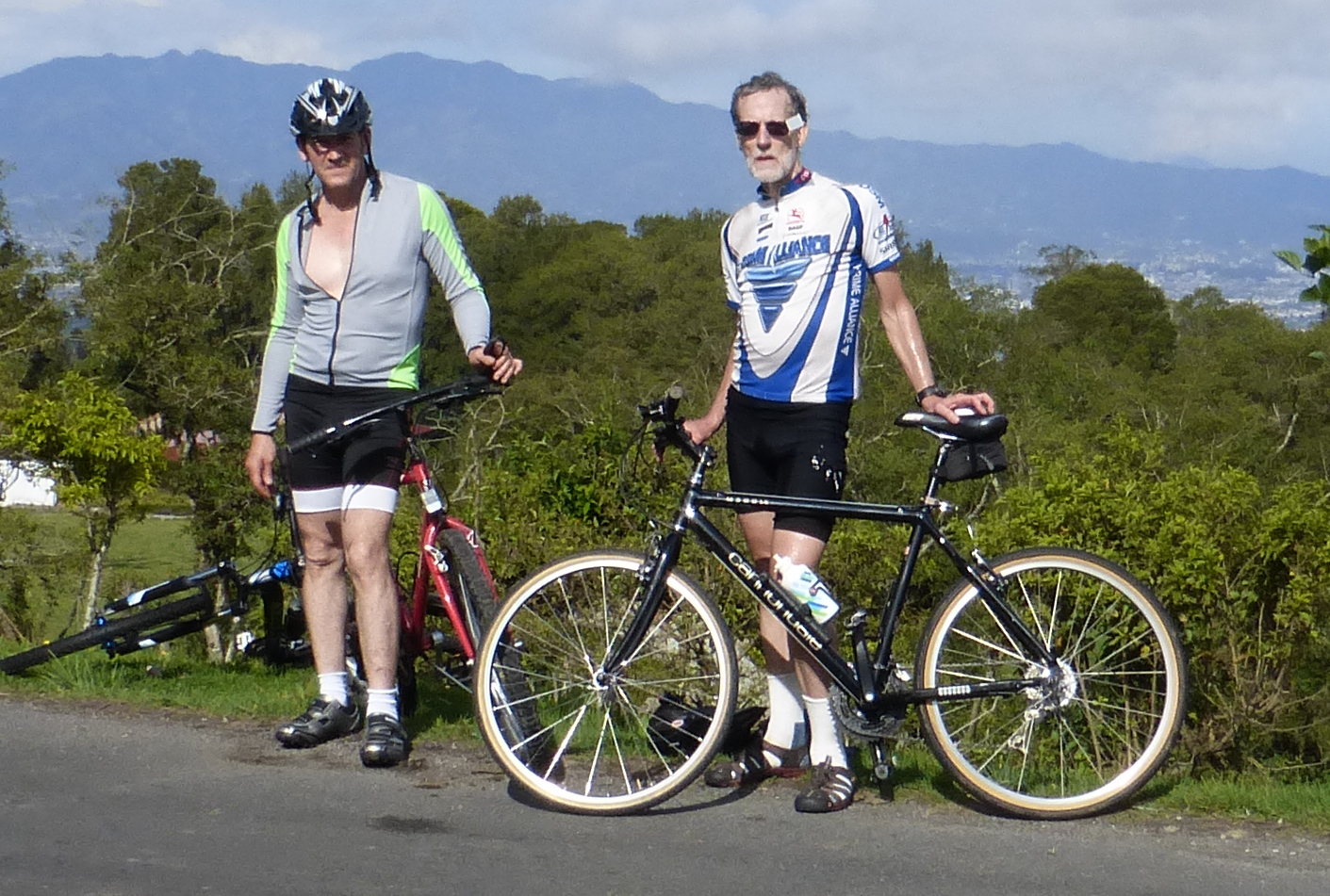
And Scott and Edwin taking a break on one of their rides:


Here are a couple of panoramas from rides:
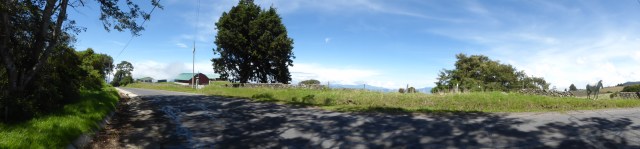
Road to Volcan IrazúP1000174The ciclo was an important part of Scott’s life during our stay in Costa Rica.  It is long reading, but if you are interested in the full story, read on:

The “ciclo” was Scott’s favorite hangout for Spanish conversation, relaxation, and (sometimes) fun.  Scott first met Edwin because a classmate at language school (Brian) had bought a bike from him and Brian had told him that Edwin was very friendly and willing to talk to “gringos” (Americans).  The ciclo was about a third of a mile from our house and was on the way to “Polideportivo” (a small athletic complex that has a track where Scott liked to ride his unicycle).  On days he rode he would stop by the ciclo to say hi and talk to Edwin.  And other days Scott would simply walk down to the ciclo to spend time.  All told, Scott probably spent at least 5 -10 hours there each week.

For Jody’s second trimester of classes at the language school, she had a language route with planned conversations with local business owners twice a week.  Edwin and the ciclo was a natural place as a stop on her language route so Jody spent time there as well (but not as much as Scott).

Customers come in to the ciclo to purchase parts and accessories, have balls filled with air, get flat tires fixed, and have bicycles repaired and reconditioned (Edwin is an amazing mechanic).  This time of year (January to August) Edwin rarely sells bicycles.  In fact, for about three months Edwin didn’t have any bicycles to sell.  That changed in late April when a shipment of used bicycles finally arrived from the U.S. and Edwin was able to purchase about 20.  He quickly cleaned them up and reconditioned them and put them on display in the ciclo (the rest are stored above the ciclo/garage).  Edwin says that it is hard to sell bicycles during the “winter” (it’s rainy season in Costa Rica, which is also the coldest time of the year); instead, Edwin will likely sell the bicycles in December after employees receive an extra month of wages (mandated by  Costa Rica’s labor laws)!

Scott and Edwin had a connection because of cycling – and perhaps because they both have a quirky sense of humor.  There was inevitable talk of cycling and lots of kidding and laughter as the gringos practiced their Spanish and Edwin (and family and friends) patiently corrected us and tried to explain Costa Rican words and customs.

Edwin was a competitive amateur cyclist for about 10 years.  He is now 50 years old (long retired), but has many buddies from his cycling years.  He was one of the top cyclists in Costa Rica and competed in the “Tour de Costa Rica.”  He was on the team to race in France, but was dropped at the last minute because he refused to take drugs.  The ciclo has posters of his races and many trophies from his years of competition.  Because unicycling in San José is dangerous (lots of cars and motos, traffic lights, bumps, and potholes), Scott soon discovered that bicycling on weekend mornings was a way to get to know Edwin and his friends, have a great workout, and explore the countryside.  Edwin is a patient teacher and greatly enjoyed schooling his new cycling friend on how to shift gears and then techniques of long distance riding – especially mountain ascents (whenever you leave San José the direction is up!).  Here is a poster of Edwin crossing the finish line in one of his races:Edwin crossing the finish lineEdwin has lots of family and friends.  He is one of 10 children and Scott met five of his siblings: (1) his sister Irene who owns the house that houses the garage that houses the ciclo, (2) his brother Jorge who owns a small business that sells compressors; Jorge stops by almost every day on his way home from work and usually spends all day Saturday at the ciclo, (3) sister Alejandra who lives next door to Irene, (4) brother Alejandro, and (5) brother Gustavo.  We’ve also met Edwin’s wife, Lucía and their daughter Susan.
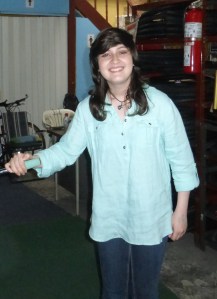
Susan MadrigalSusan is a delightful young lady.  She is an excellent student and enjoys playing acoustical guitar.  A few weeks ago she was invited to AMCA house, a local Christian ministry that reaches out to teens and adults, many that are English speaking or wish to improve their English.  Susan, who speaks some English, was warmly received and immediately fit in.  Edwin was very impressed with how they accepted her and also that the Bible and God are part of their meetings.  AMCA house recently took a “summer” break (they use the same calendar as schools in the U.S.) and Susan has been lamenting that there are no weekly meetings at AMCA house.  She can’t wait until meetings start again in October.

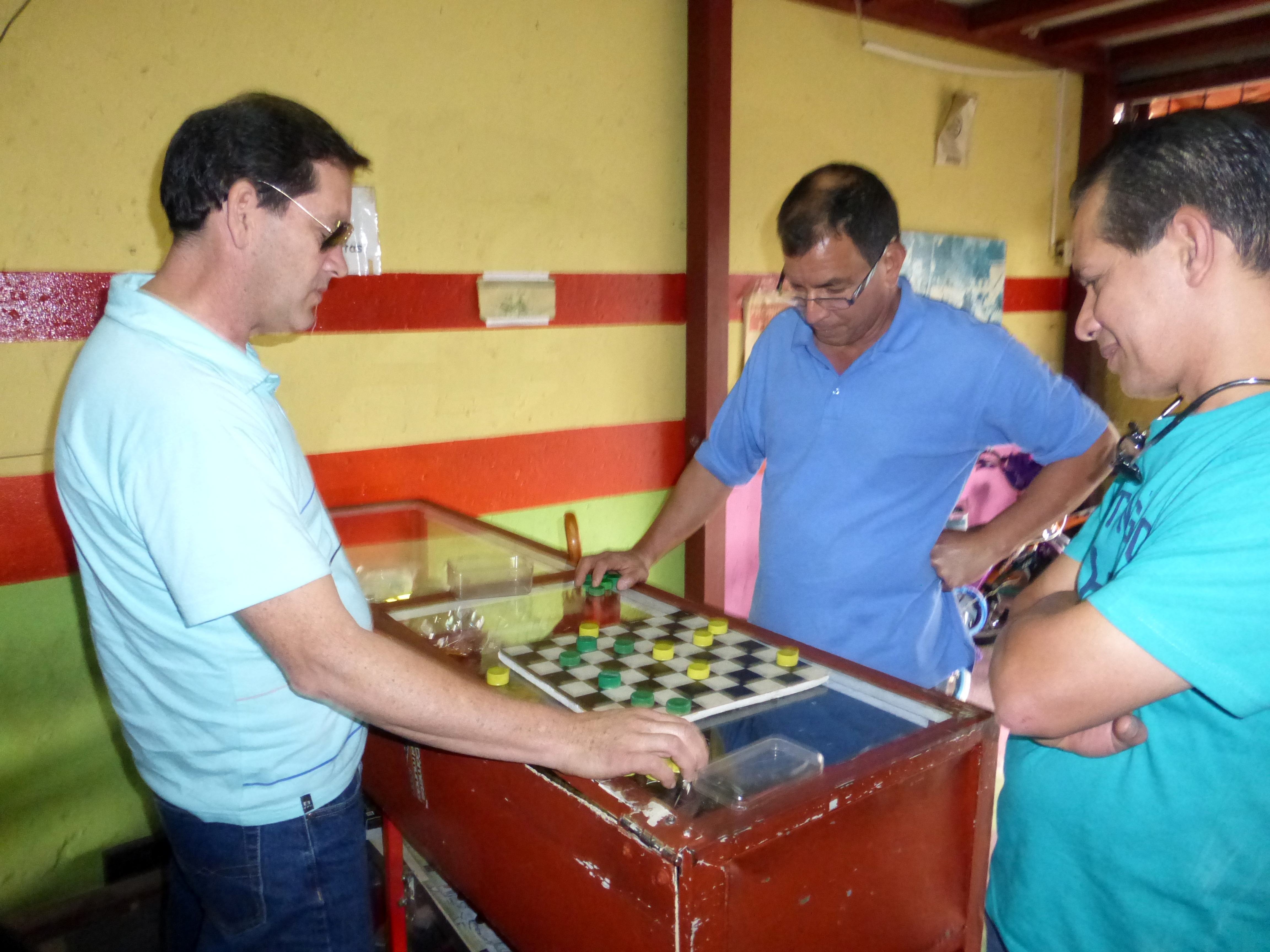
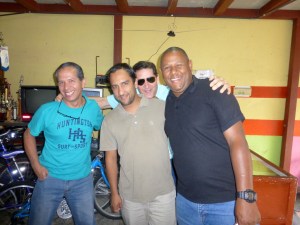
It was “family and friends” because there were lots of family and friends that came there.  Some of the friends who regularly stop by are Oscar, Kuky, Fabio, Juan Carlos (Charlie), Enrique, and Alexis.  Here is Edwin (sunglasses), Kuky (on the right) and a couple of friends:Edwin, Kuky, and friendsBesides much conversation, there are often spirited games of “damas chinas,” a variation of checkers that is more lively because kings can move any number of spaces and change directions during a move (kind of like the queen in chess except on steroids).  Scott mostly watched (or kibitzed) although he occasionally played.  At first he always lost.  Later he almost always lost, but is happy to say that he sometimes forced draws and won two or three times!  This is Edwin playing Alexis (note the board (a piece of sheetrock) and the playing pieces (bottle caps)):
Edwin and Alexis - damas chinasWhen it was finally time to leave Costa Rica and travel to Ecuador, we experienced both sadness and anticipation.  Sadness at leaving friends who we had come to love and appreciate.  And anticipation at finally getting to Ecuador where we believe God has planted us and where we will find new friends.
Posted in Costa Rica | Tagged | 1 Comment

June 2014 Update

May2014BannerScott on a bike?  Jody working in a kitchen?  What were we doing in Nicaragua?  And did our Springfield house ever sell?  Find the answers in our quarterly update.

Mobile Device version (html)

Print version (pdf)


Posted in Costa Rica, Missions, Quito | Tagged , , | 1 Comment

Renacer

RenacerWe spent most of our spring break from language school volunteering at Renacer.  A ministry of Christ for the City, Renacer is a residential rehabilitative program for teenage girls rescued off the street.

Our work, like most volunteer work, wasn’t glamorous:  Jody was in the kitchen preparing food and washing dishes and Scott scraped and painted and helped the handyman with projects.  In addition to the pleasure of serving, we got lots of Spanish practice.

Renacer is seventeen years old and has a good record as an effective rehabilitation ministry.  The girls stay between twelve and fifteen months before returning to their families or independent living.  We were impressed with the visible difference between the “new” girls and the “old” girls.  The girls who will graduate in a few weeks exhibit confidence, poise, self-esteem, and affection for each other.  They believe they are loved and lovable–an understandable result of over a year of affection and affirmation from the many dedicated staff members.

Our first day Scott helped Henri (the handyman) put bars on the windows of Rut (Ruth), the house for the newest girls.  Henri explained: “The girls in Rut try to run away, the girls in Tamara (the house for the oldest girls) don’t want to leave.”

Besides structured days of chores and activities, the girls also have group and individual counseling.  All is Christ-centered, with Biblical truths integrated in all aspects of the program.

Renacer is in the mountains southeast of San Jose on a beautiful wooded property.  Our daily 30 minute shuttle took us through crowded, narrow, and steep streets with pedestrians, dogs, motorcycles, cars, buses, and trucks.  We were very glad to not be driving!

Here are some photos of property and staff; click on a photo to begin a short slide show:

Posted in Costa Rica, Missions | Tagged , , | Leave a comment

Nicaragua

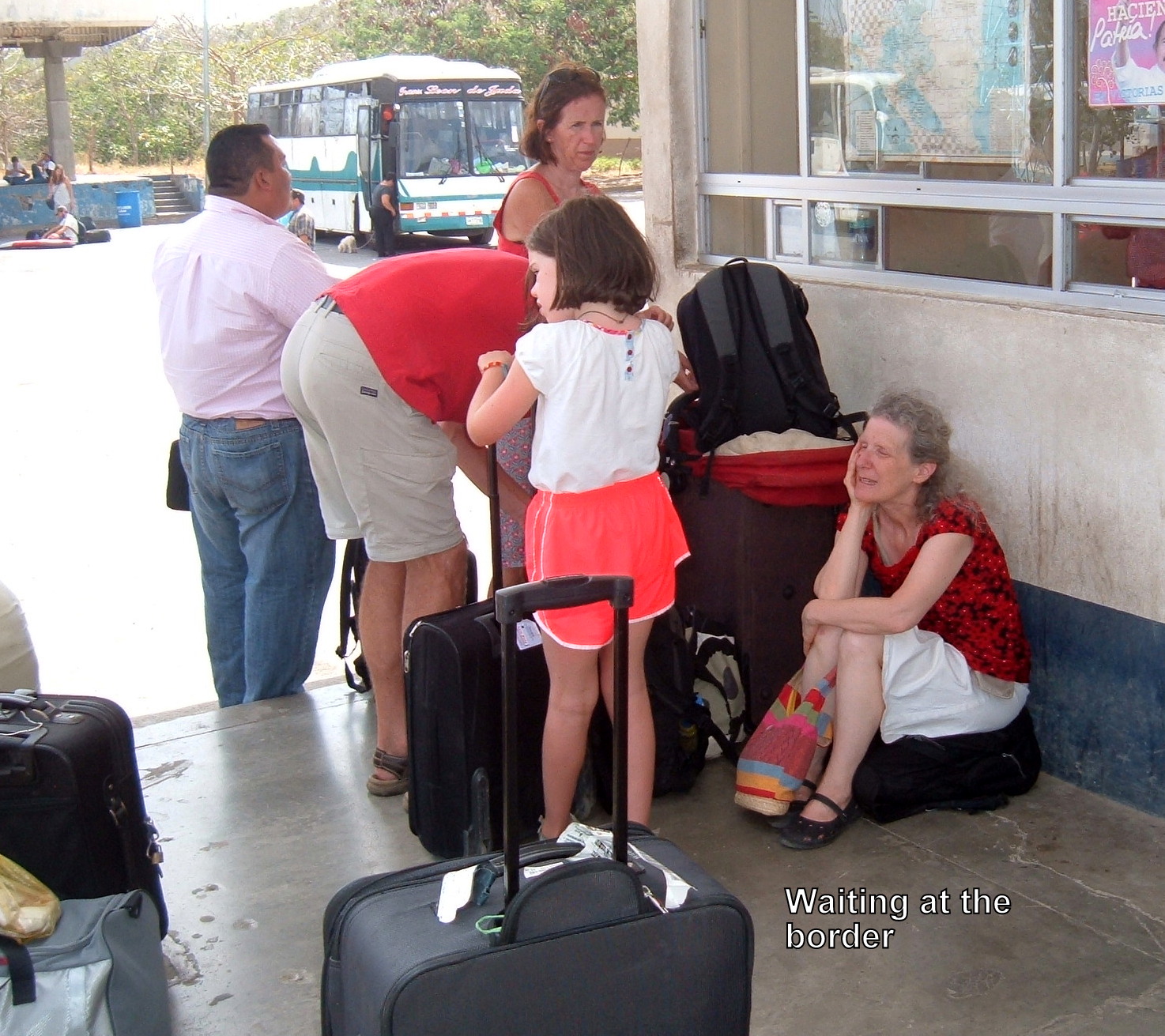
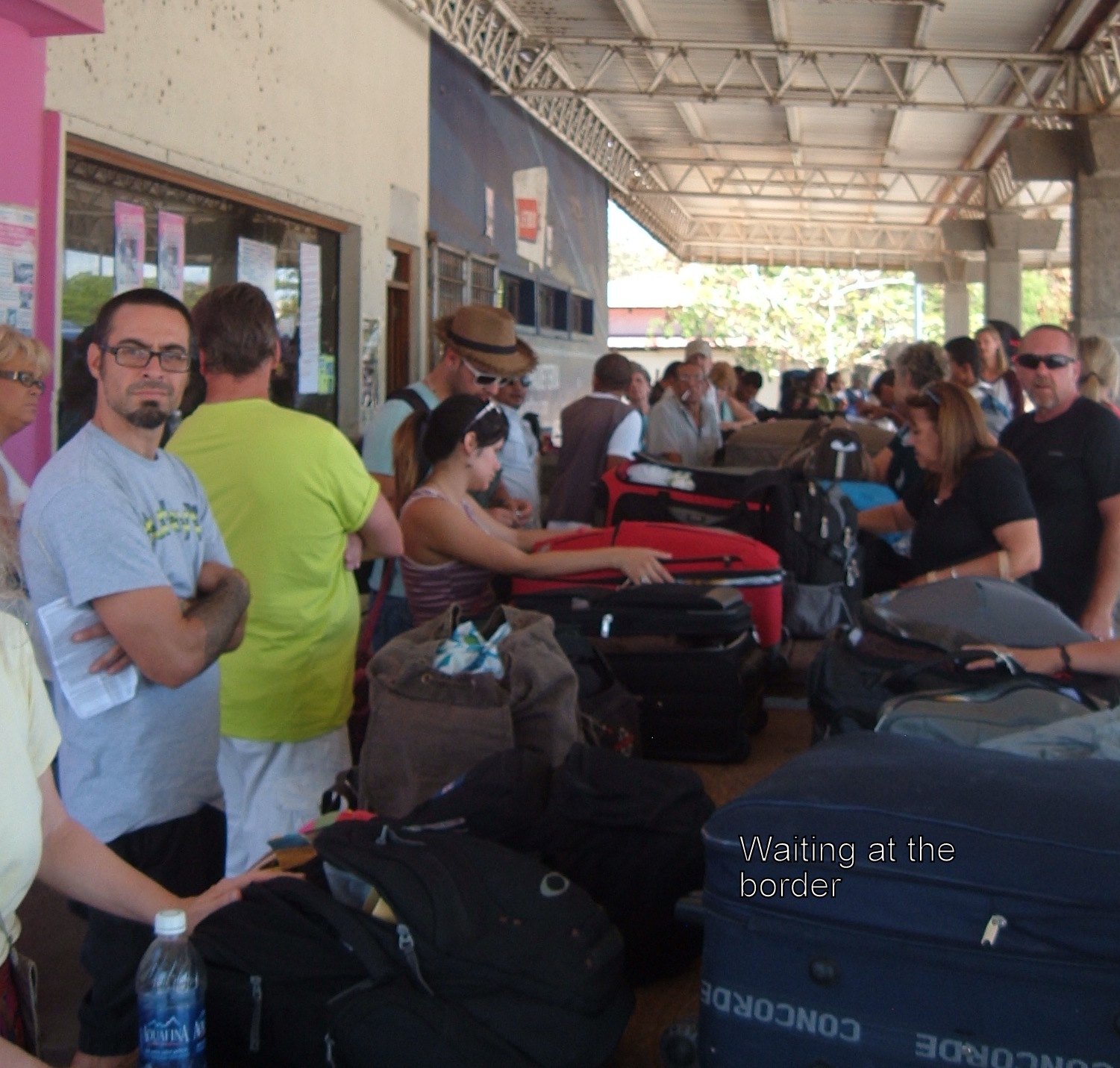
We are in Costa Rica on a tourist visa which allows a maximum of 90 days within the country. As a consequence, language school students must exit the country periodically and re-enter 72 hours later to obtain another 90 days within Costa Rica. Nicaragua is Costa Rica’s northern neighbor and the closest foreign country from San José.

We recently went to Granada, Nicaragua on our visa renewal trip. There is nothing like traveling between countries to make one appreciate the United States, our freedoms, and our high standard of living.

Nicaragua is the poorest country in Central America, whereas Costa Rica is one of the richest. The United Nations ranks countries by a “human development index” which attempts to measure the relative quality of life of different countries. Here are seven, including the first and last rankings:

Country Rank Index
Norway 1 0.955
United States 3 0.937
Costa Rica 62 0.773
Ecuador 89 0.724
Nicaragua 129 0.599
Niger 187 0.304

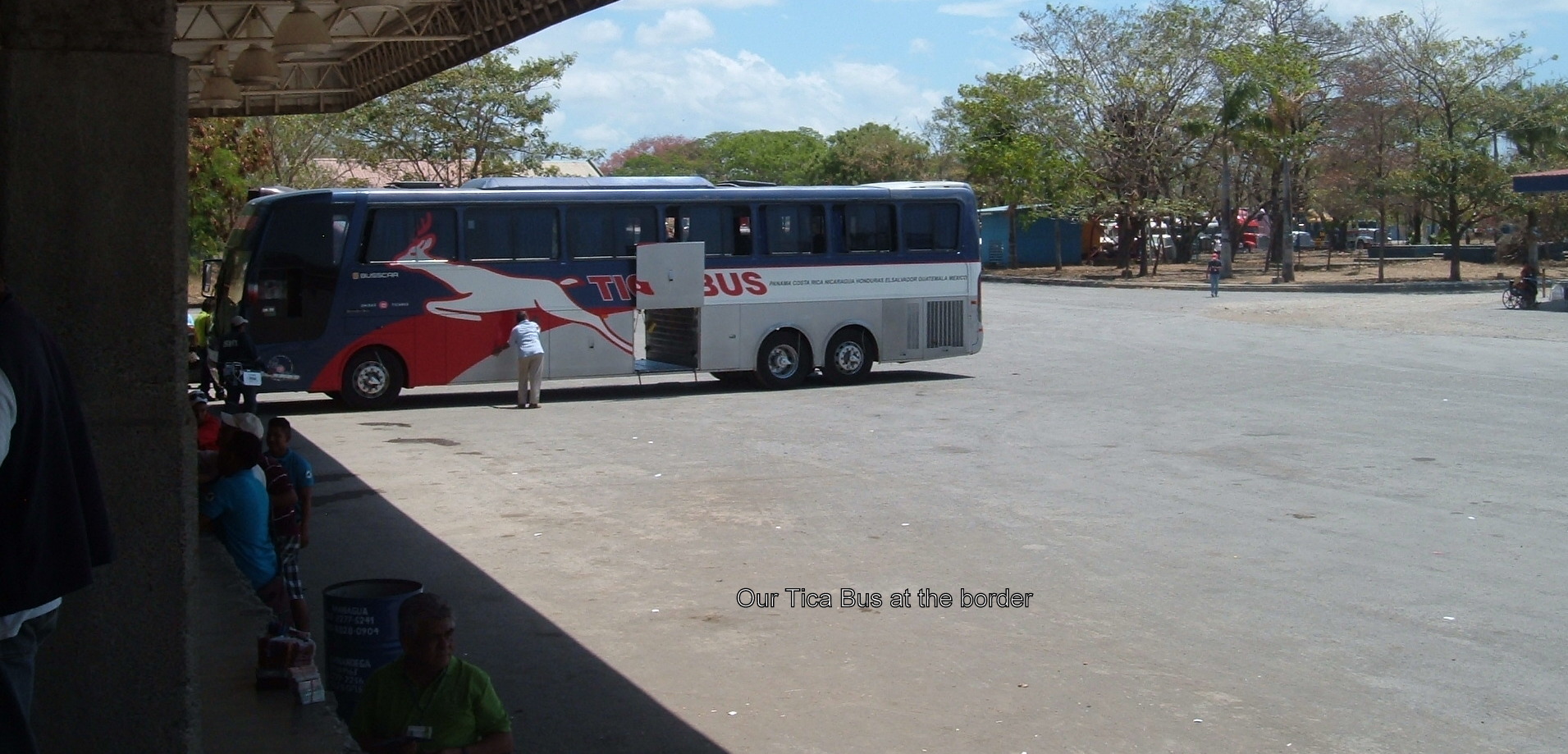
We took a taxi at 5:00 a.m. to catch our “Tica Bus” for Nicaragua that was scheduled to leave at 6:00 a.m. from downtown San José. After a couple of hours on the bus, the air conditioning stopped, never to return. For unknown reasons we were detained for about five hours at the Nicaragua border; we finally arrived, dirty and tired, at our (six room) hotel in Granada around 6:00 p.m. Total distance = 240 miles.

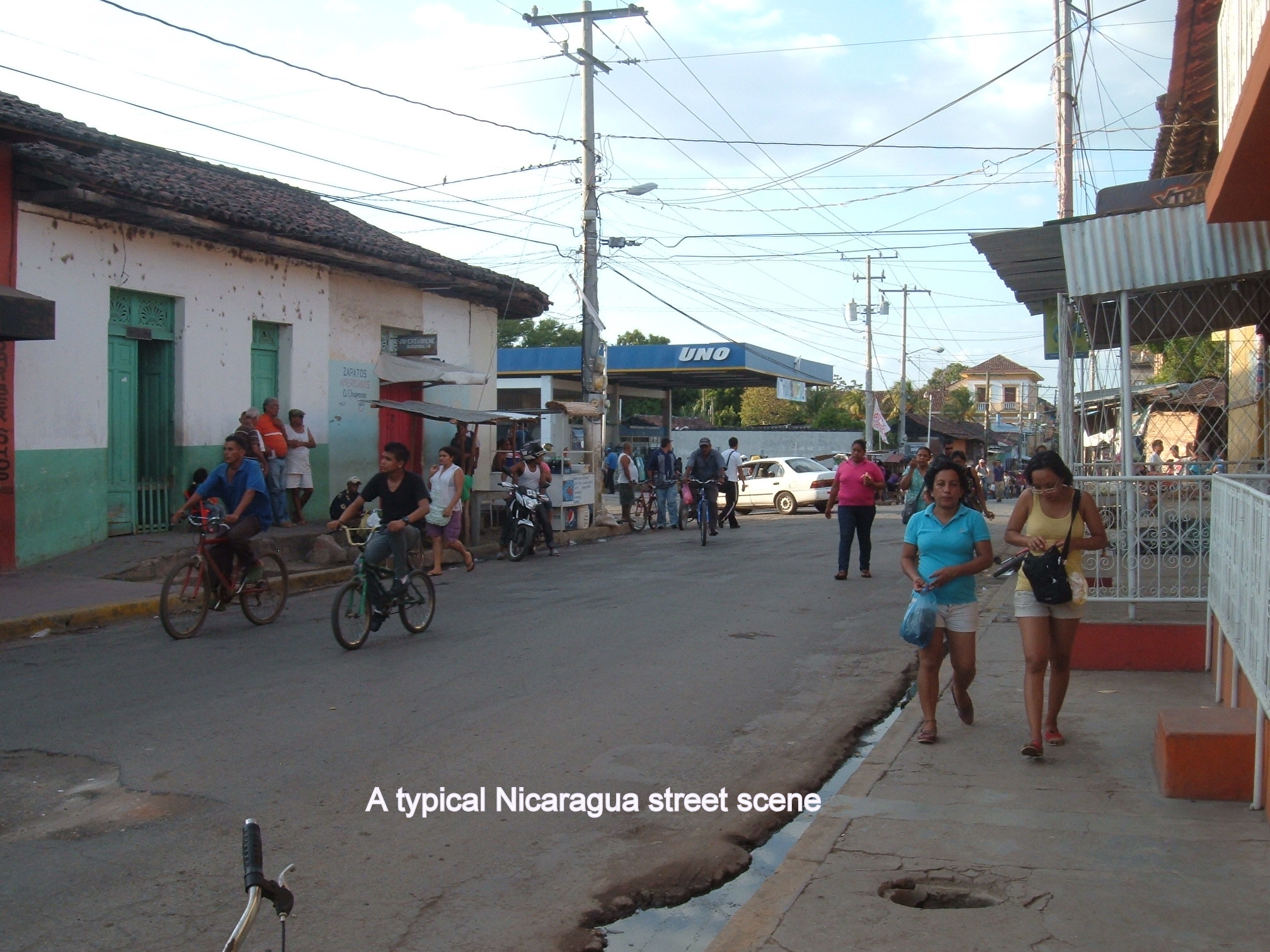
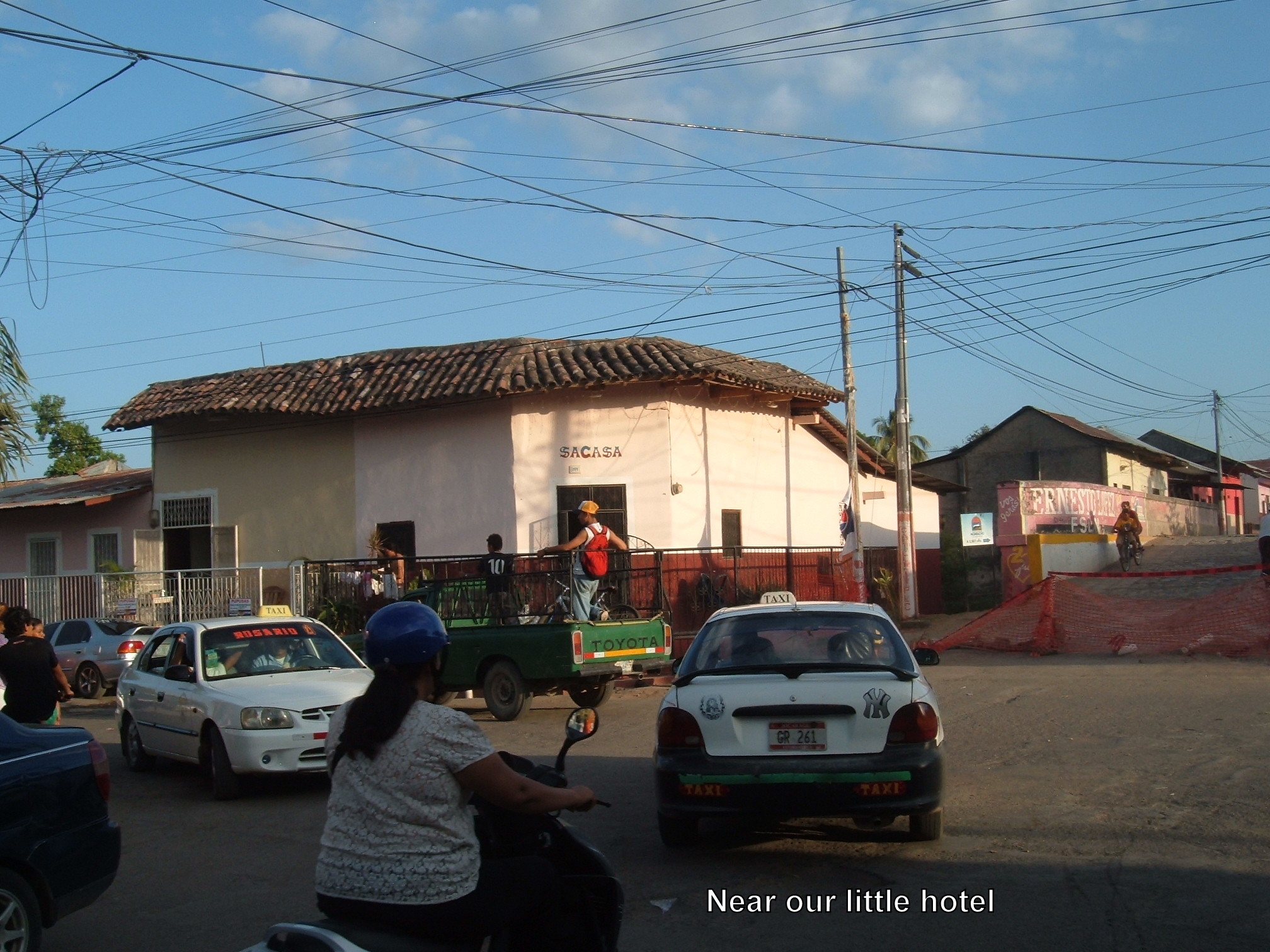
Granada is a very old town, with many historic buildings, and is a popular tourist destination. It is located on Lake Nicaragua, the 18th largest natural lake in the world. Once you leave the tourist section of the city (our hotel was about a mile away), you are struck by the difference between Nicaragua (a long-time dictatorship) and Costa Rica (a more progressive republic with a history of political stability).

Granada was hot, with high temperatures around 98 degrees, in contrast to San Jose with highs around 80.  As tourists we were hot and sweaty and always looking for the shady side of the street.  In general, life seemed to move slower.  In the evenings people would sit in their doorways or on their sidewalks and eat and talk, which was a big contrast to San Jose’s high-security, uber-locked houses and yards.

The heat, crowds, smells, poverty, cheerfulness, and slow pace of life reminded Scott of his Peace Corps time 40 years ago in Ghana, West Africa.

After an interesting three days, we traveled back to San José. The return trip was similar, albeit a bit shorter as we only spent three hours at the Costa Rica border; however a later departure in Granada and more bus stops on the way back eventually got us “back home” at about 6:00 p.m.

Here are some pictures of our trip:

Border - Nicaragua

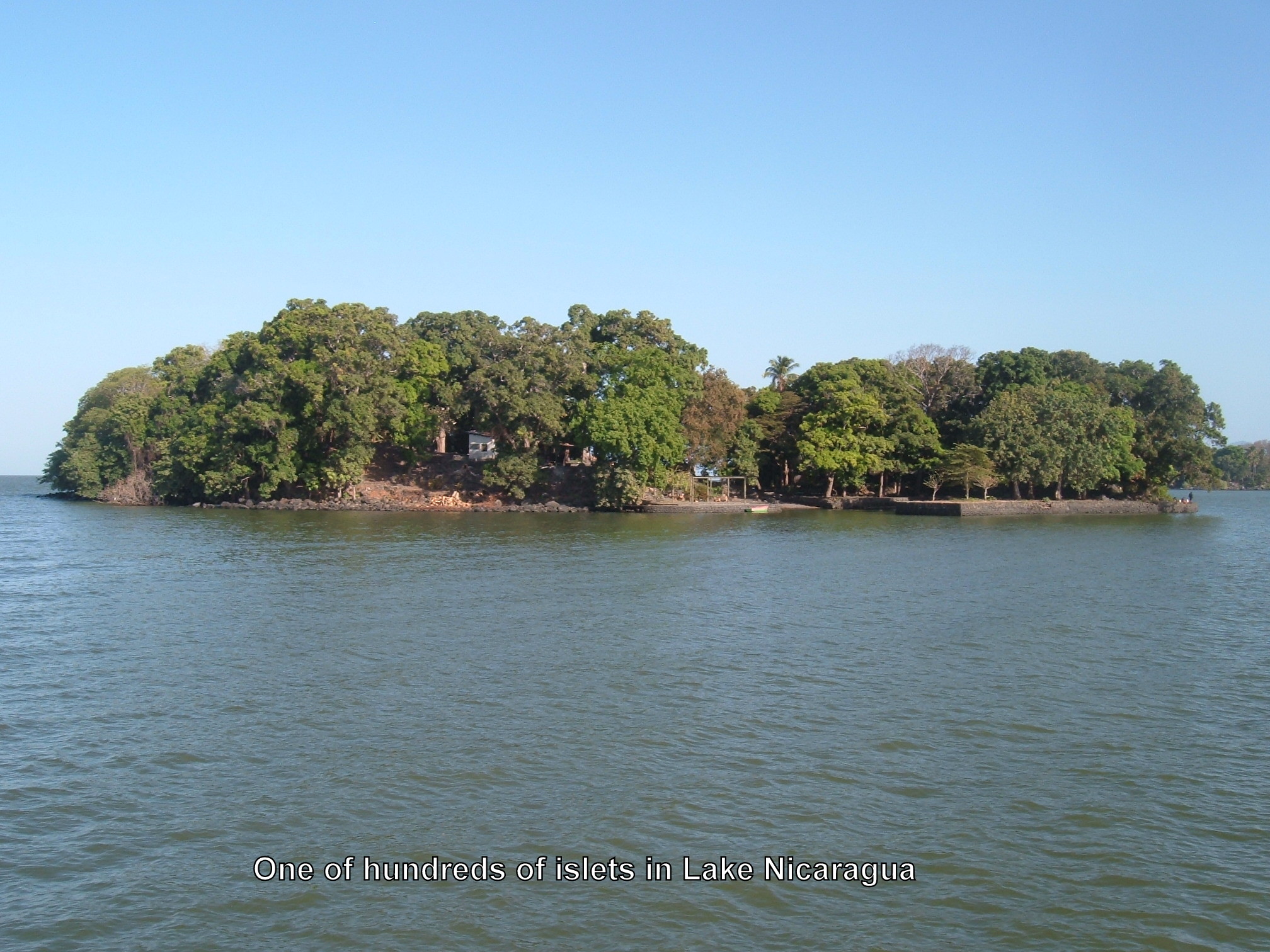
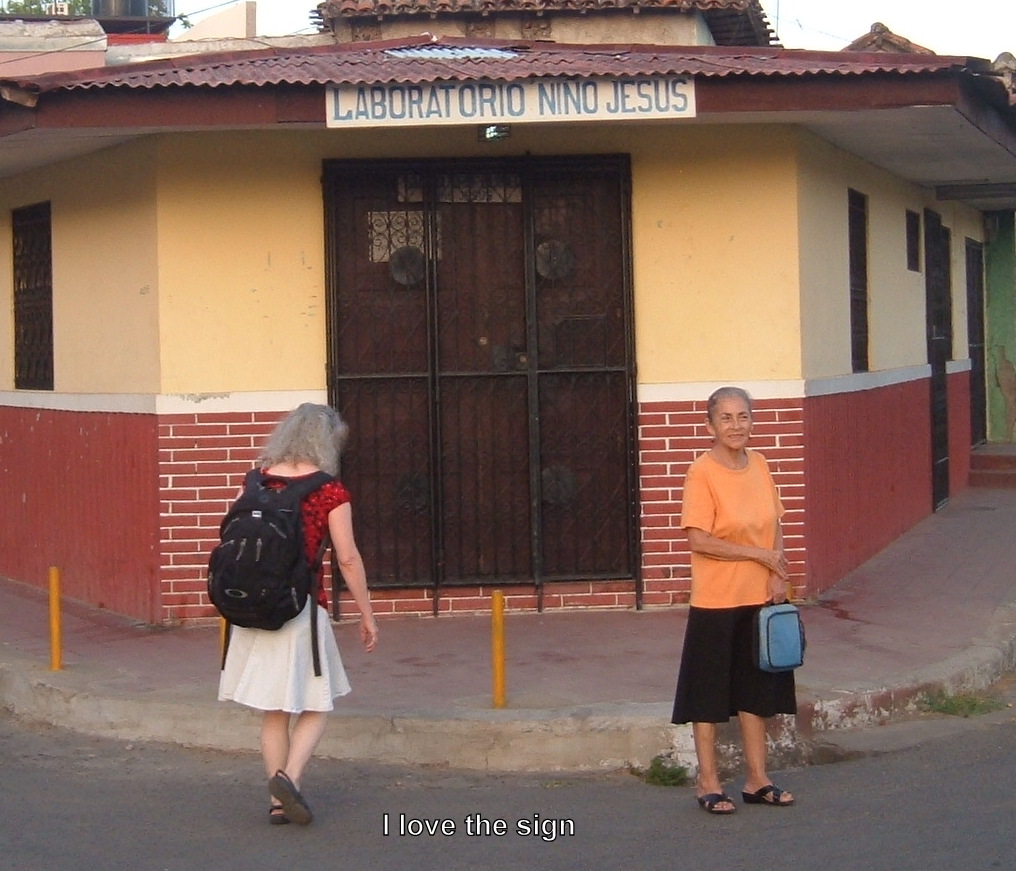
Border crossing Nicaragua - Costa RicaBorder - NicaraguaGranada, NicaraguaGranad, NicaraguaGranad, NicaraguaGranad, NicaraguaGranada, NicaraguaGranada, NicaraguaHotel Casa Barcelona signTica Bus station - Granada  Lake Nicaragua Islet - Granada, Nicaragua Granada, Nicaragua Granada, NicaraguaGranad, NicaraguaGranada, NicaraguaElectrician's nightmareSign in Granada, Nicaragua

Love the sign

Posted in Costa Rica, Travel | Tagged , | Leave a comment

God’s Wrath and God’s Love

We recently finished a unique week at language school.  They call it “spiritual emphasis week.”  During the week a guest speaks twice every day (the teachers aren’t supposed to give homework to make it easier to fit it all into our schedule).  This semester it was a pastor named Matt Davis from Helena, Montana who gave a series of talks on the attributes of God.

The most difficult, yet most profound, session was on God’s wrath.  It is a subject we don’t hear much about.  There is a lot of preaching in the American church on God’s love, but I (Scott) don’t hear much about God’s wrath.  Matt’s point was that we can’t comprehend the depth of God’s love unless we also understand his wrath.

Anyone who reads the Bible knows that it reveals much about God’s wrath.  In the Old Testament, the violence and destruction against those who violated God’s laws is frequent and harsh.  The most discussed events are the flood in Noah’s time and God’s judgment on Egypt during the time of Moses.  However, we don’t usually view those events from the point of view of the recipients of God’s wrath (instead the perspective is usually that of Noah and the people of Israel and God’s promises, salvation, and faithfulness).  [As Matt Davis put it, when referring to the customary Bible stories:  “Where are all the dead people?”]

But, if we are honest, God’s wrath against the unrighteous is terrible.  Through the flood, he killed everyone on earth at that time (except Noah and his family).  Men, women, and children.  It isn’t knowable how many people were on the earth at that time, but scholars have estimated that  it could have been two to ten billion people.

And we can’t argue that God’s wrath is limited to Old Testament times, for it is spoken of frequently by Jesus and the authors of the New Testament.

If we accept and understand God’s wrath against sin, the miraculous redemptive work of Jesus Christ reveals the depth of God’s love for us.  For God, the Father, poured out His terrible wrath against sin — onto His own beloved Son!  Christ was willing to endure incomprehensible suffering on our behalf — because of His great love.

Do you want to have a greater appreciation and love for Jesus the savior?  Read in the Bible the many terrible judgments that God has inflicted on the unrighteous; contemplate the depth of his anger (it’s not pleasant); then rejoice and appreciate how much He loved us that Jesus was willing to bear this immense wrath on our behalf.

“For God so loved the world, that He gave His only begotten son, that whoever believes in Him shall not perish, but have eternal life.”  (John 3:16)

Posted in Costa Rica | Leave a comment

March 2014 Update

MarchHeader

Hot off the electronic press!

Highlights include:

  • why we’re in Costa Rica (instead of Ecuador)
  • after 80 years, our organization changes its name
  • photos
  • AND where we will live in Ecuador

Thank you for sharing this journey with us.

Scott & Jody

Posted in Books & Classes, Costa Rica, Quito, Reach Beyond/HCJB | Tagged , , , | Leave a comment

Floras

As most of you know, “flora” is the Spanish word for flower.  Although it’s winter in Oregon, it’s summer in Costa Rica.  Costa Rica is in the northern hemisphere, but it only has two seasons.  The dry season is summer and runs from December into April.  The temperature is usually in the 70’s during the day and in the high 50’s at night; we’ve only had one day of rain in the eight weeks that we’ve been here.  The wet season is winter and runs from approximately May through November.  We are told that it will rain a lot during the winter (every day).  So, as you might have guessed, we’re enjoying the Costa Rica summer.  Here are some pictures of the flowers on our way to school each day:

DSCF5613 DSCF5612 DSCF5610 DSCF5608 DSCF5603 DSCF5602 DSCF5601 DSCF5596 DSCF5594 DSCF5593

Posted in Costa Rica | Tagged | 1 Comment

National Elections

Costa Rica had its national elections on Sunday, February 2nd.  The president is chosen by popular vote.  Costa Rica currently has 13 political parties and the election doesn’t determine a president unless one candidate receives at least 40% of the votes cast.  For the second time in modern history none of the candidates received 40% of the votes, therefore there will be a run-off between the two top vote-getters on April 6th.

Political campaigns in Costa Rica last about 4 months (they used to be longer but they shortened them!).  Election day is a public holiday and there are rallies and personal displays of political banners and T-shirts.  Supporters proudly wear their favorite candidate’s colors and many vehicles carry and wave flags.

DSCF5700

DSCF5701

Costa Rica is very proud of its political system which grants all Costa Rican citizens the privilege and responsibility of electing a president (and two vice presidents selected by the president) and 57 representatives to its national assembly.  Celebrations follow the closing of the polls at 6 p.m. – not because the election is finally over, but in appreciation of the freedom to vote.  The interest and enthusiasm surrounding the election is refreshing –unlike U.S. elections with prolonged campaigns and voters put off by mud-slinging and reruns of the same political agendas in our two-party system.

The Costa Rican system has other features which are much different than the U.S. system:

  • All elected officials serve simultaneous four year terms.  The Constitution prohibits an incumbent president or representative from rerunning for office until they have been out of office for four years!
  • There is public funding of the political campaigns.
  • Voters cast two ballots – one for president and one for a political party (and they often vote for different ones!).  Each political party nominates a slate of representatives, ranked in order of preference.  The total votes for each political party are divided by the total votes cast to determine the percentage of votes received by each party.  The 57 representative positions are then allocated to the parties according to the percentage of votes received by each party.  The result is a national assembly with proportional representation.
  • The right to vote is guaranteed by the Constitution – if an employee has to work on election day, their employer must give them paid time off to vote.
  • The Constitution provides for a separate, semi-autonomous organization, called the “Supreme Tribunal of Elections” which has authority over all things electoral.  The Supreme Tribunal of Elections is highly respected as it ensures that Costa Rican elections are fair and corruption free.

Perhaps  the United States should consider changing some of its political system to be more like its southern neighbor!

Posted in Costa Rica | Tagged | Leave a comment